AndyO Blog

Saturday, August 24, 2013

Stehekin, WA - Day 2: Bike trip

I finally got a good night's sleep, so I woke up at 9:00 a.m. refreshed and ready for adventure. The original plan was to take the Stehekin Bus to Rainbow Falls, and then walk back (about 3 miles one way). But we got a little behind schedule and missed the bus, which only runs every few hours. Instead, we decided to bike.

Ordinarily, biking would be a no-brainer, but Drew is actually still learning to ride. The night before, we'd tried out a "co-pilot" tandem, where a smaller bike with a back wheel is attached to a full size bike; but it felt incredibly unstable.The other option was one of those bike trailers.

The guy at Discovery Bikes said the tandem would be much better, and explained how once the back rider starts pedaling it stabilizes. So Drew and I gave it a test ride, and it worked!
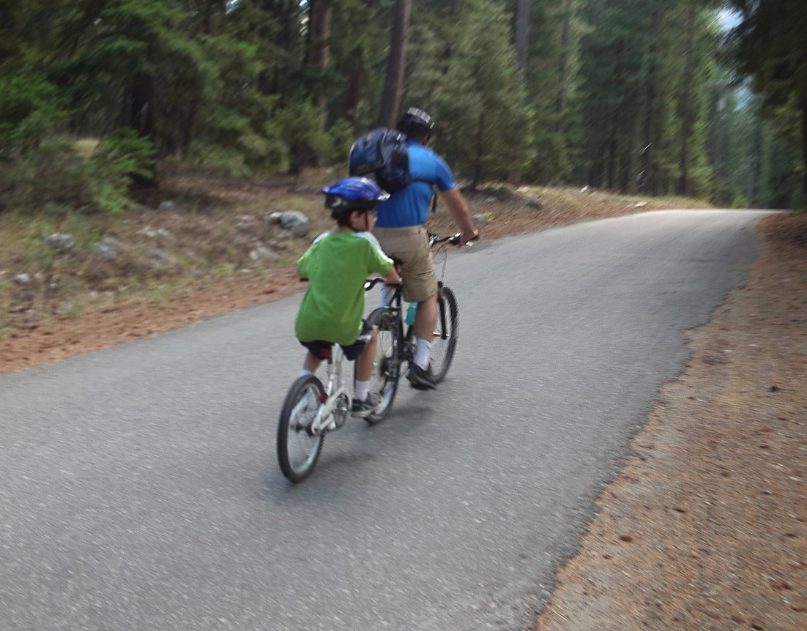
Andy and Drew go biking

Stehekin Pastry Company

Soon we were pedaling toward our first destination, the Stehekin Pastry Company bakery. While the bike felt stable, every once in a while Drew would lean over too far, and I'd need to compensate. This was unnerving when the road narrowed or cars passed by.

As Brenda rode behind us, she told Drew "not to lean." Well, he didn't like that too much and said he wanted to go back. Fortunately, we arrived at the bakery.

The Stehekin Pastry Company is the perfect pit stop for bikers, hikers, and kids who want to turn around. Serving an assortment of pastries, sandwiches, ice cream, and drinks, it's located about 2 miles from the Stehekin Landing. The alpine ambience and friendly staff make you feel at home -- like eating at your favorite neighborhood restaurant.
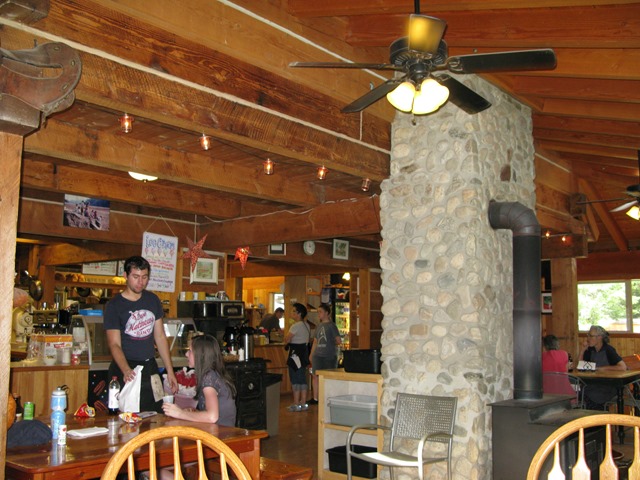
IMG_0001 .

We ended up getting cookies, a lemon bar, and a blackberry scone (all of them delicious). Most importantly, it was enough to get Drew back on the bike.

Rainbow Falls

The trek to Rainbow Falls was difficult in places because of a few steep hills. When it got a little too tough, I jumped off the bike and walked . Along the way, we stopped at the Old Stehekin School. This is a one-room school -- like what I remember seeing on the show Little House on the Prairie. 
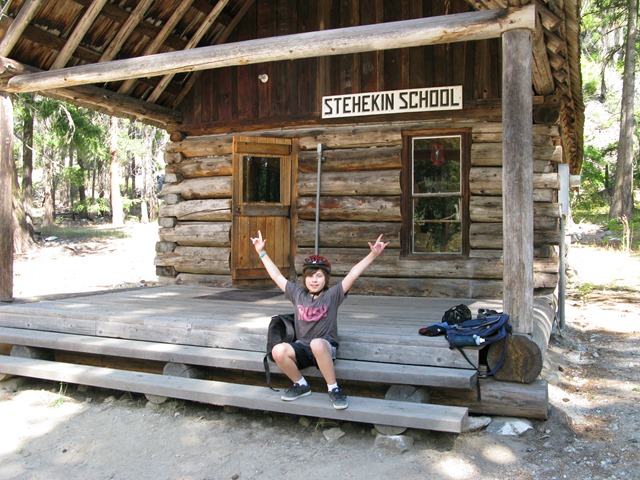
Cam and Stehekin School

According to the Stehekin Heritage Guidebook, the school was built in 1921 and was used for 67 years. A new school was built for the 1988-89 school year for students in Kindergarten through 8th grade (students have to move elsewhere to go to High School).

I liked how the room featured artwork and posters from students about the history of the school and Stehekin area. A message on the chalkboard read, "This is a historic building. Please treat it with respect."
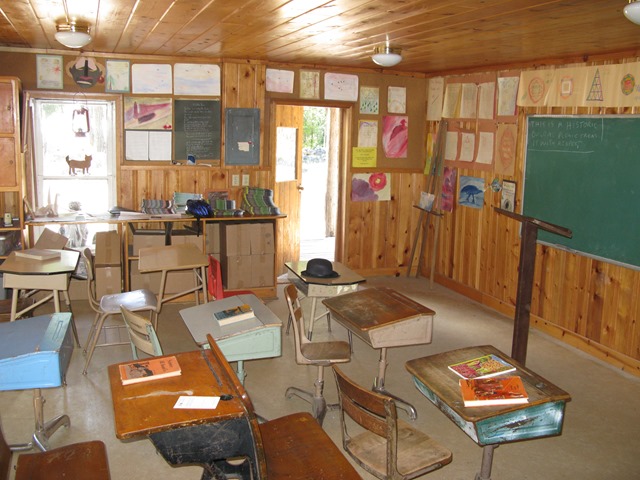
Stehekin Schoolhouse 

After getting buzzed by (surprise!) bees and a few mosquitoes, we biked the steepest part of our journey to Rainbow Falls. When we got there, a red Stehekin Bus was parked in the turnaround (probably the bus we would have taken had we not biked).
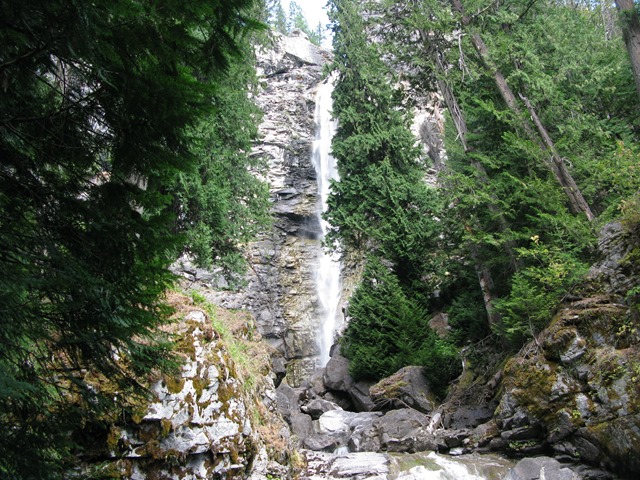
Rainbow Falls

Rainbow Falls is a towering 312-foot waterfall that drops onto a few different rocky terraces. The last section creates a beautiful fan of water spilling into an inviting alpine pool. Since the park ranger-led tour had left, we had the place pretty much to ourselves (and the hundreds of mosquitoes trying to attack us).
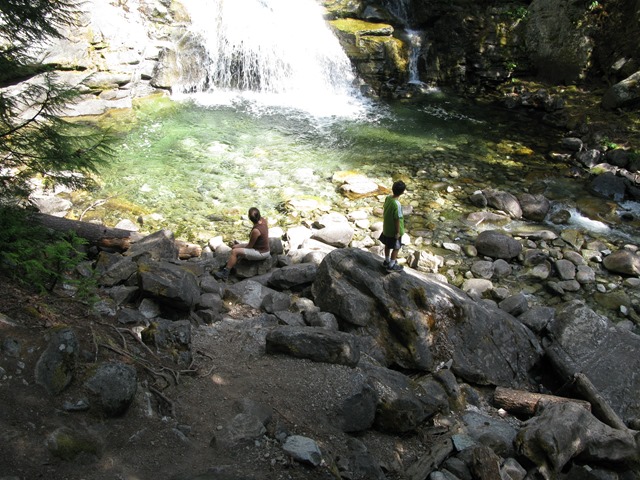
Brenda and Drew at Rainbow Falls

Stehekin Pastry Company - Part II

Once we left Rainbow Falls, we coasted down those same hills that had taken so much effort to climb. I often forget how exhilarating it is to fly down a steep hill on a bike, which Drew was experiencing for the first time. (It also makes me realize why people love motorcycles.) I actually slowed us down a little, since I knew Drew wasn't used to this kind of speed on a bike.

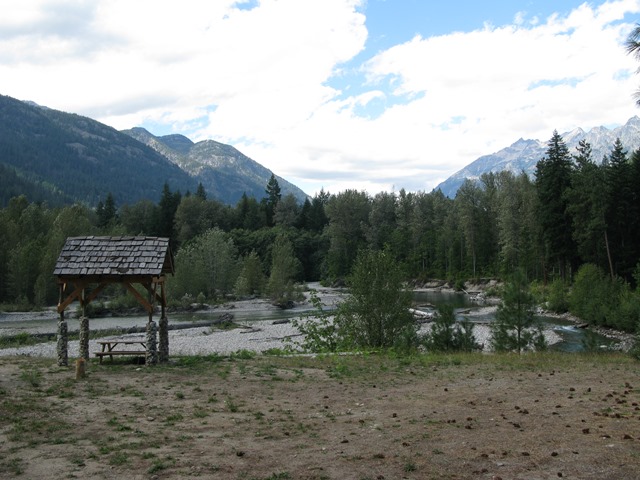
As we sped along, I started noticing amazing views that I'd missed on the way up -- when my vision had been narrowed by concentration and fatigue. One view was so spectacular, I had to stop to take a picture (which meant Drew had to stop, too). As I stood there, I heard the screech of a hawk echo above.
IMG_0067  

Then, for the second time that day, we stopped at the Stehekin Pastry Company. This time, I ordered one of their sandwiches on homemade bread (again, excellent). And then we were off again.

As we biked along Lake Chelan, the views in the mid-afternoon light were stunning, with towering mountain peaks, streaming sunlight, and deep blue water. I was starting to realize how Stehekin was joining my short list of magical places that include Cannon Beach, Oregon; Whistler, B.C.; Tofino, B.C; Monterey, California; and all of Hawaii.

Whenever I'm visiting these magical places, I think of what it would be like to live there. Then I realize that visiting is part of the magic -- that it takes on an idealized state in memory. You don't get to see the effort that goes into living in a place like Stehekin, which is dependent on boats and planes for many supplies. Maybe that's part of the appeal?
I was already thinking about when we could return.

Labels: , , , ,

posted by AndyO @ 8:28 PM   0 comments

Friday, August 23, 2013

Stehekin - Day 1

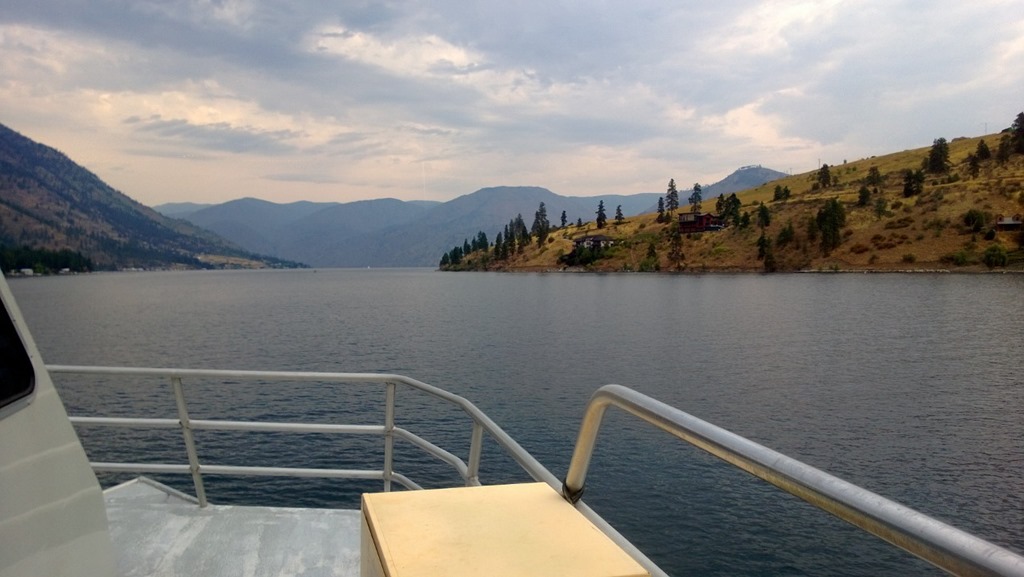
We got up at 7:00 a.m. to take the Lady Express 51 miles "up lake" to the remote area of Stehekin -- an area only accessible by boat or float plane. It's a 2-1/2 hour ride via the Express, which we immediately dubbed a "3-hour tour" (see Gilligan's Island).

The boat trip up to Stehekin

Thanks to the crew's announcements and Lady of the Lake newspaper, I learned a lot on our journey:

  • Lake Chelan is the deepest lake gorge in North America.
  • Lake Chelan has two basins, the smaller Wapato Basin (400 feet deep and 12 miles long). The Lucerne Basin is 1,486 feet at its deepest point (and 386 feet below sea level).
  • The Lucerne Basin holds 92% of the lake's water.
  • Stehekin resides within North Cascades National Park.

After a brief layover at Field Stop Landing (16 miles up lake) to pick up more passengers and cargo, we arrived at Stehekin Landing around 11:00 a.m. The Landing was also the location of North Cascades Lodge, our home base for two nights. But check-in wasn't until 2:00.

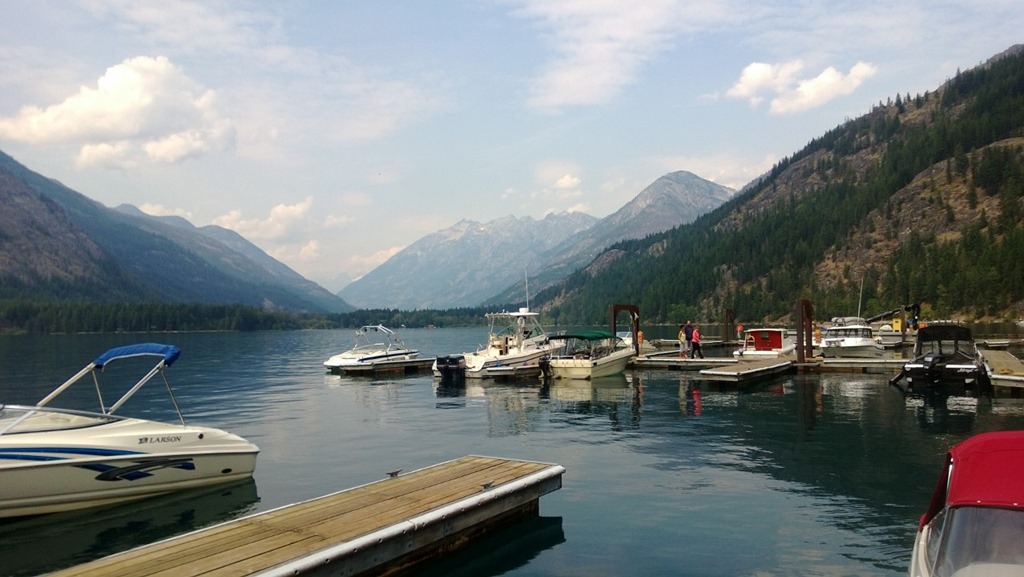
Stunning Stehekin Landing

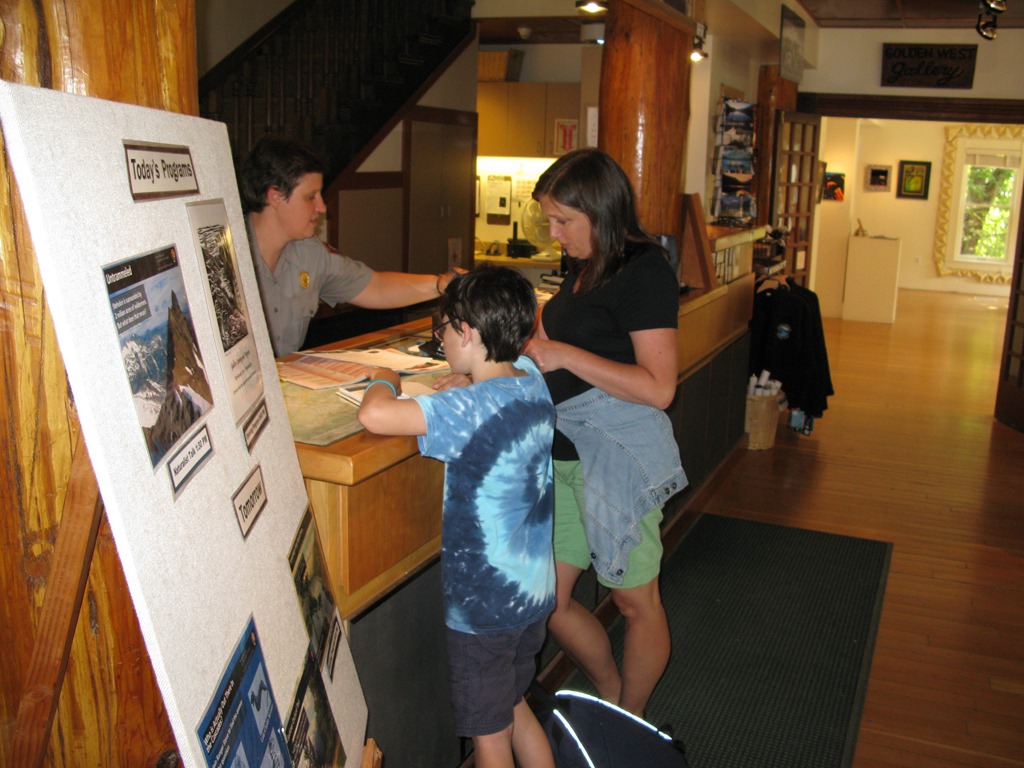
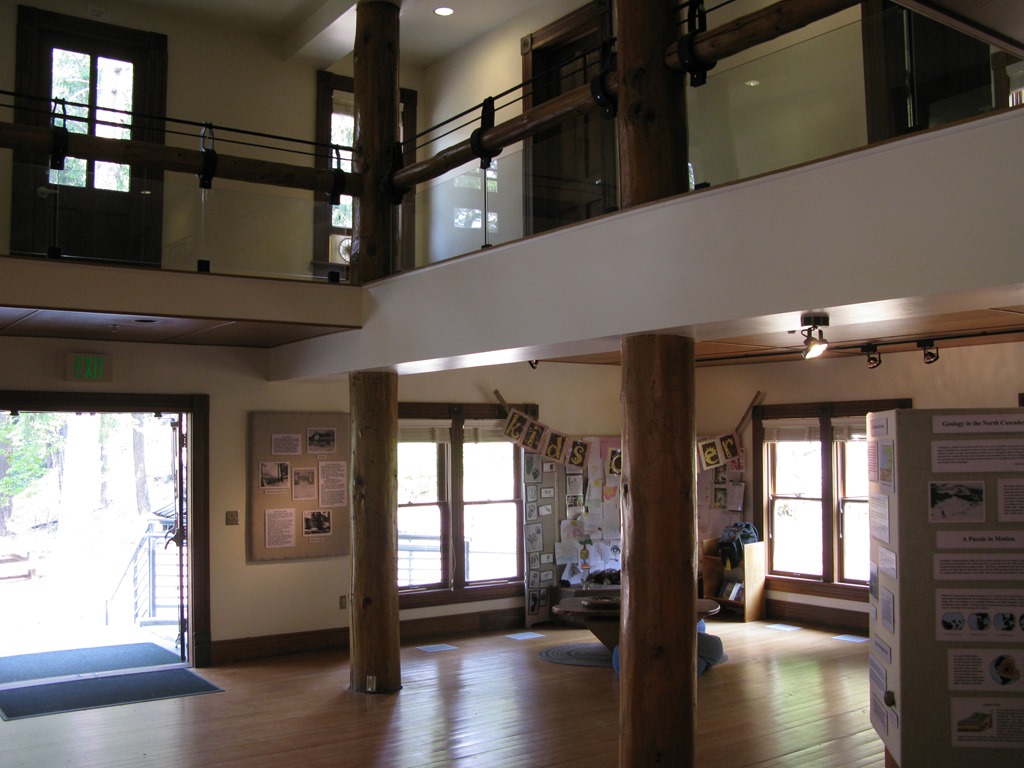
We stowed our bags in the Lodge General Store behind the ice cream freezer, and hiked to the Golden West Visitor Center. While we were looking around, the ranger there told me that much of the materials for Golden West, including window frames, stairs, and doors -- even some glass panes --came from the Victorian-era Field Hotel. Brenda and Drew explore the Golden West Visitor Center

From what I read, starting around 1905 the Field Hotel had been one of the finest places to stay in the Northwest, catering to both miners and tourists. But the Lake Chelan Hydro Project, started in late 1920s, would raise the lake surface 21 feet, submerging the hotel's location. Not wanting to let the good materials go to waste, they recycled as much of Field Hotel as possible.
Golden West Visitor Center

After that, we went to lunch at the North Cascades Lodge, and finally got into our room around 1:30.

A curious vibe

As we circulated through Stehekin, I started to notice how different it was from the town of Lake Chelan.

  • There were a lot of serious backpackers here, as Stehekin is a trailhead for many North Cascades trails. 
  • People living and working here (only 95 year-round residents) possess a brand of hospitality and community that goes way above most small towns. A few examples: Everyone waves from their car. People ask where you're from and seem genuinely interested. The owner of the bike rental shop offered a free bike for Drew to practice on during the evening.
  • The tourists also seemed to be of a different caliber than the jet ski types at the other end of the lake. In addition to the hikers, many people seemed to be visiting from all over the world (for example, our neighbors next door at the lodge were European).

The great outdoors

For dinner that night, Brenda cooked up a very western hot dogs and beans. We decided to eat on our deck to enjoy the tremendous view.

The "tremendous view" on our deck

As we started eating, a few bees buzzed us (as had happened all day long). But within minutes, there were squadrons of bees dive bombing our food. The first person to fold was Cameron, and then Drew.

But when I had five or six bees swarming me (and my food), I threw in the towel, too. I like to enjoy my dinner, and this wasn't enjoyable. Finally, Brenda gave up. Dinner tasted great once I stopped swatting bees.

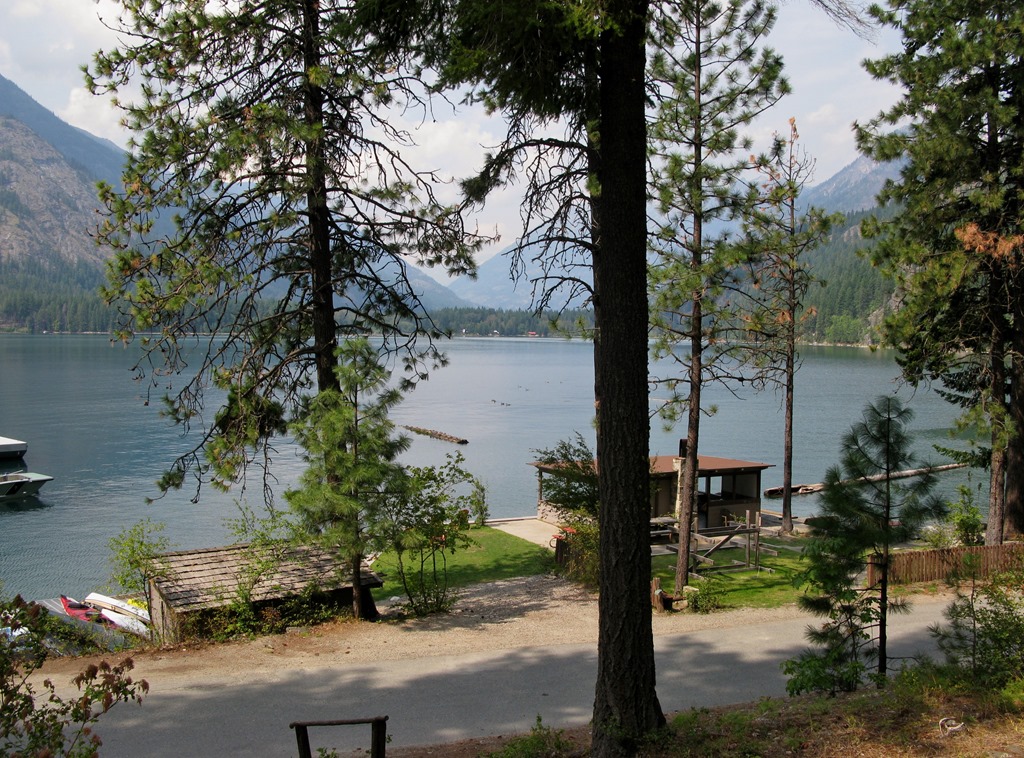
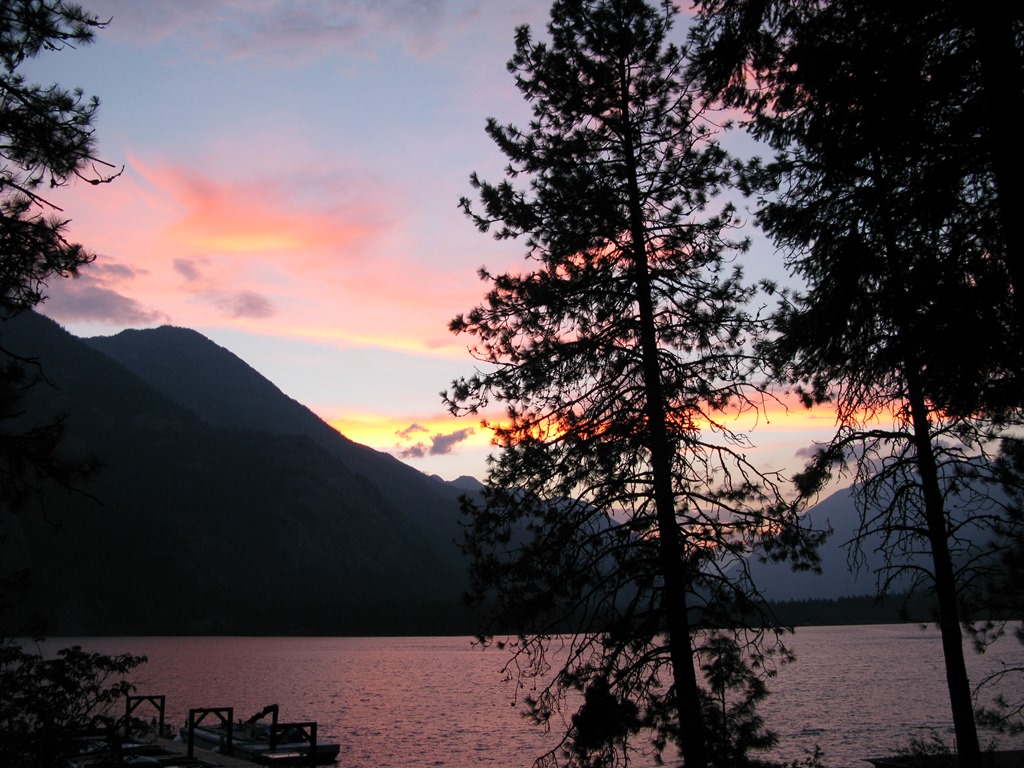
Later on, I went outside to view the sunset, an explosion of pinks, whites, and blues in the sky that seem to be amplified by the surrounding mountains and lake.

IMG_0072 

As night replaced twilight, I stepped outside to view the stars (which I thought would be extra bright due to the lack of light pollution). But I kept catching a strange fluttering out of the corner of my eye. After this happened a few times, I realized these were bats!

I'd never seen so many bats chasing insects, never had them passing so close to my head. They glided in near silence, and every so often I'd get a better view of them opening their wings to slow down. But I have to admit, it really creeped me out! (I knew enough about a bat's sophisticated bio-sonar system to understand they probably wouldn't run into me.)

I retreated indoors to a bedroom window, where I watched the bats swooping past lights. Then I saw some people walking up the path from the road, a mother and young son. They stopped dead -- pointing at the bats circling around their lodge door. I watched as they finally gathered enough courage to walk into the swarm. 

Like a scene out of The Birds, the mother stood there in horror, as the bats streaked around her, hurrying her son to unlock the door. I guess she was as creeped out as I was. They got in and slammed the door.

I slept well that night, thinking of bats flying around outside. I hoped they got a few extra bees so we could eat dinner on the deck the next day.

Labels: , , ,

posted by AndyO @ 7:40 PM   0 comments

Friday, July 26, 2013

Rush in Vancouver B.C. - Day 2: Sightseeing - July 26

Cameron and I woke up late on Friday. (And when I say "late," I'm talking 11:30 a.m.). I opened the curtains and was blasted with pure, Canadian sunshine. Below, the streets and sidewalks were teeming with life.
WP_20130726_004

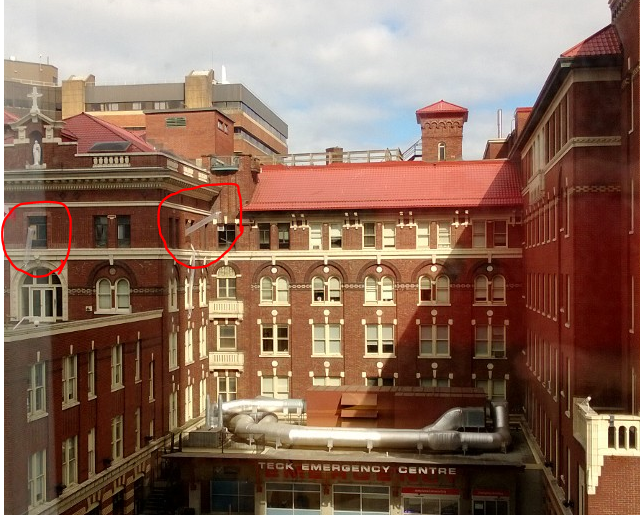
Across the street at Teck Emergency Centre, patients dragged their IV carts (or dialysis machines) outside so they could steal a smoke. There were also strange phallic balloons poking out of hospital windows. At first I thought this look like some kind of bizarre procedure going on inside that room. Then, I wondered if it was an indication of a negative pressure room. From what I read, negative pressure rooms are used for someone with tuberculosis or another condition that requires a respiratory isolation protocol. (See picture below.)

image

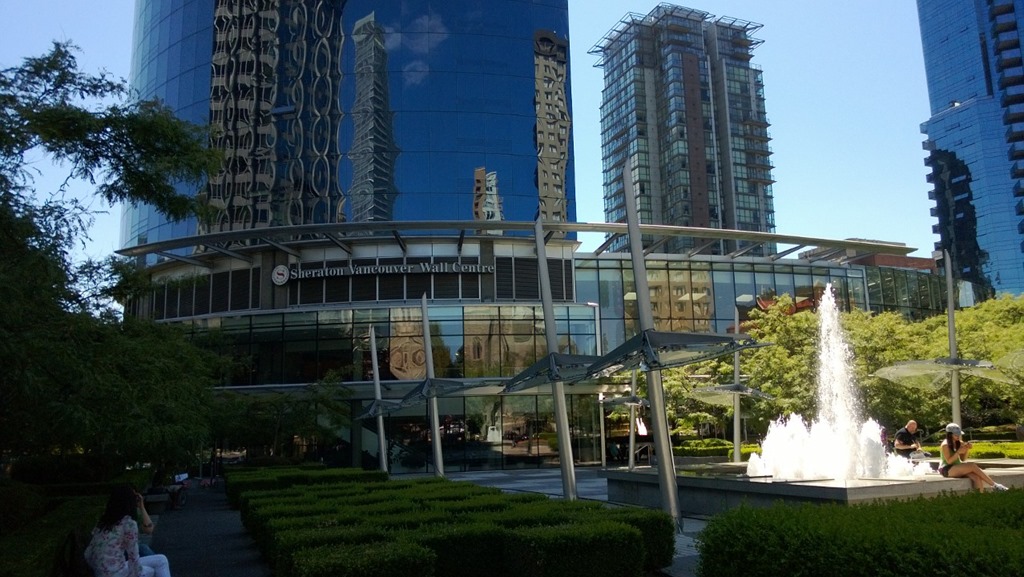
Anyway, after we got showered and dressed, we headed out onto the crowded Vancouver sidewalks. The first thing I noticed was the modern, gleaming design of the Sheraton Wall Centre hotel. (Too bad the service level didn't match the architecture.)

WP_20130726_006

As we walked toward our destination of Canada Place, two BMW motorcycles drove by at a casual pace, one red and one black. I knew from the look of the bikes that this was most likely Rush drummer Neil Peart and his riding partner Michael Mosbach.

I'm always amazed by the synchronicity you experience on trips (like running into someone you know). Not only were Cameron and I going to the Rush concert that night, but were actually meeting Michael Mosbach before the show.

But I'm getting ahead of the story...

Memories collide on the Vancouver Waterfront

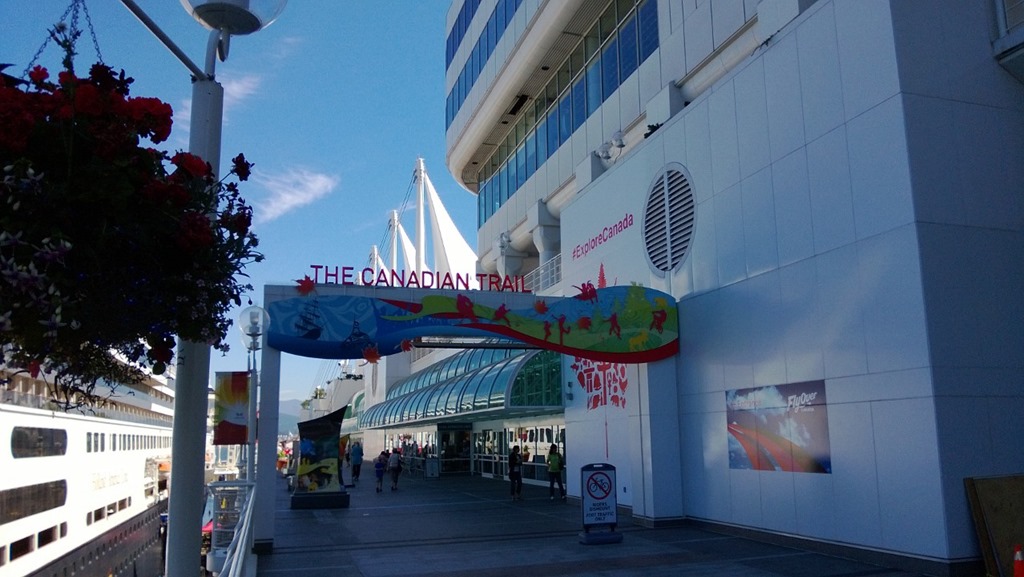
One of the crown jewels in Vancouver (at least for me) is Canada Place. We'd once stayed there for one of Brenda's business conferences at the wonderful Pan Pacific Hotel. Cameron had only been 6 or 7 months old.

WP_20130726_011

It was during that that trip that my Grandpa Olson had passed away after battling pancreatic cancer. I'd seen him only days before, although he was mostly unconscious (in hospice care at his home). 

I remember getting the call from my Mom in the morning that he had passed. Brenda was gone at the conference, so I couldn't talk to her. I felt a little cut off (and guilty) for not being there with my Dad, Grandma, and family. So I took Cameron out on the sidewalks of Vancouver in his stroller. As anyone knows, you can't stay sad around a baby for very long.

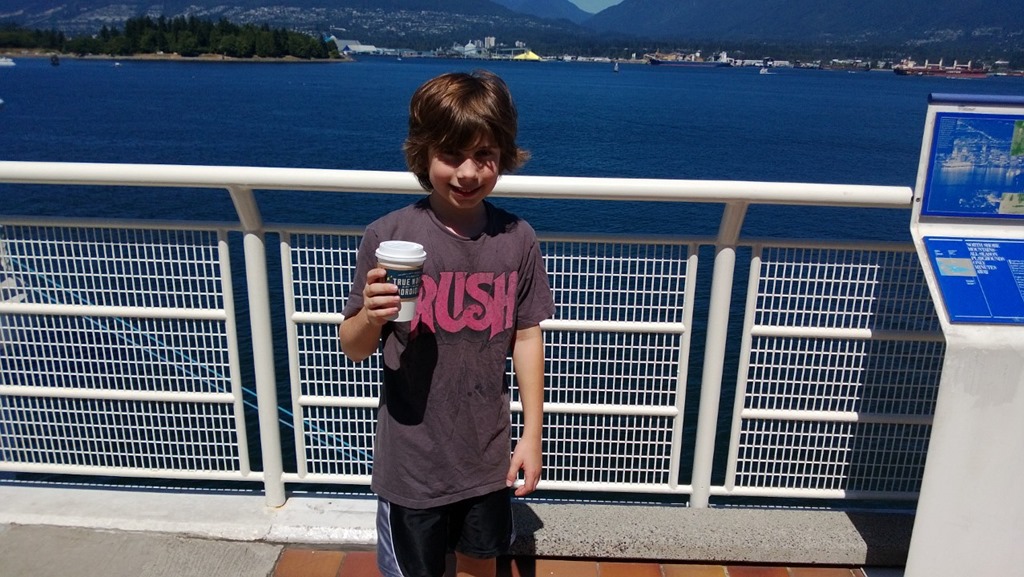
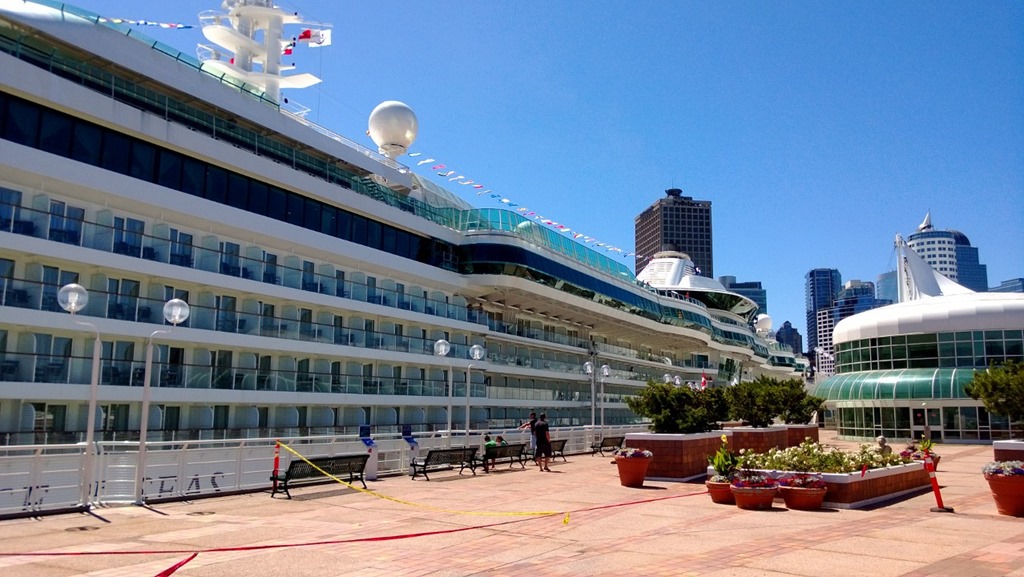
On this current trip, my 13-year-old Cameron and I walked around Canada Place, looking at the shops and exhibits and cruise ships. 

WP_20130726_016

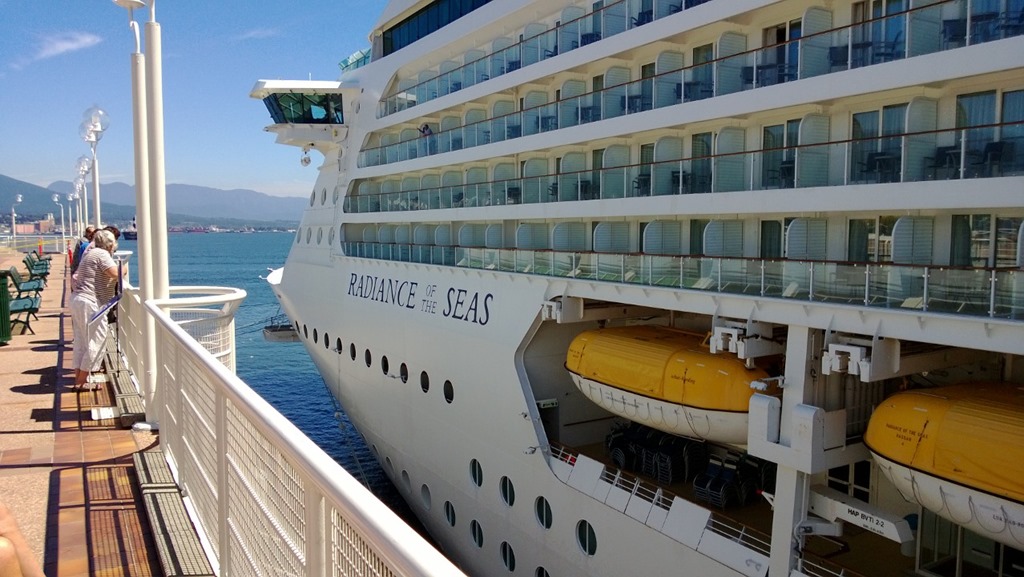
One cruise ship in particular was gigantic: Royal Caribbean's The Radiance of the Seas, pictured here:

WP_20130726_019

Later I looked up the specs on the Royal Caribbean site:

With acres of glass enclosing the nine-story central atrium, elevators facing the sea, and floor-to-ceiling windows throughout, you'll never be at a loss for an incredible view.

Radiance reminded me of the Titanic, mostly because of its size and extravagance (although I know there are ships that are bigger and more extravagant).

WP_20130726_024

Historic Gastown

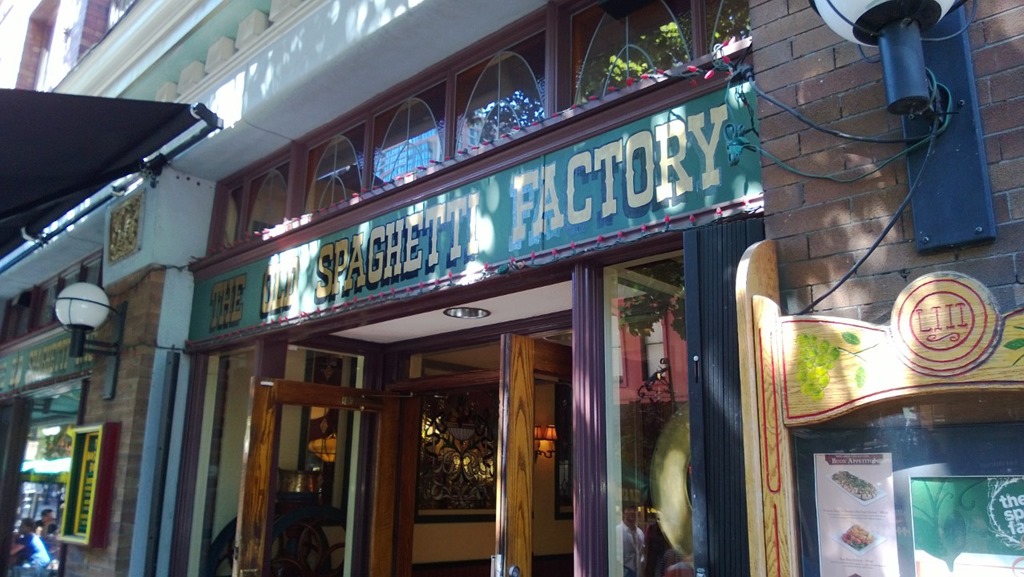
We strolled to Historic Gastown so we could enjoy another Vancouver tradition: eating at the Old Spaghetti Factory. (It's also become a sort of tradition before Rush shows -- at least in Canada. When I travelled to Toronto in 2007 to see Rush in their home city on two different nights, we ate at the Spaghetti Factory on both nights!)

WP_20130726_049

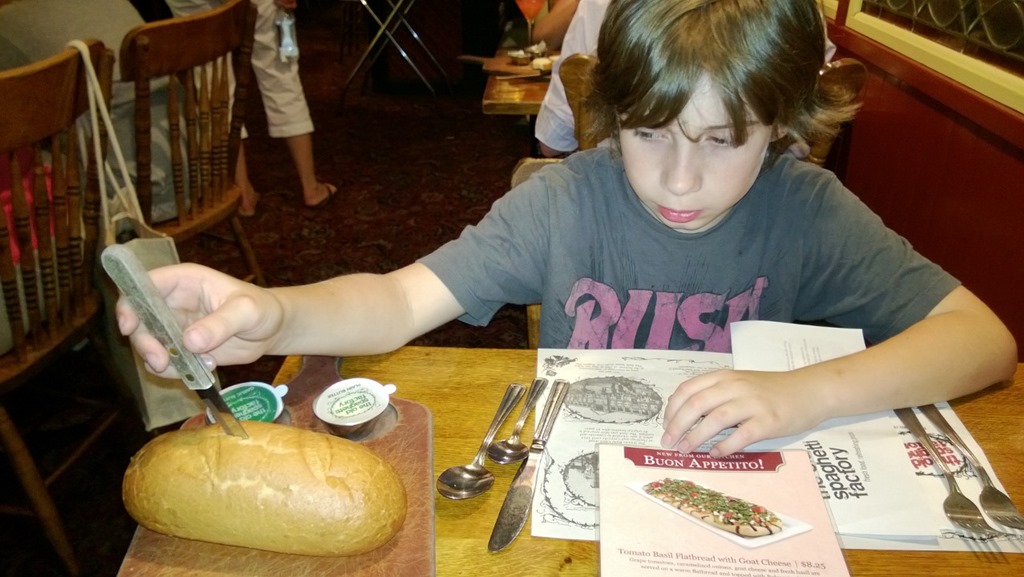
During our lunch, Cameron secretly listened for a genuine Canadian "Eh?" He wasn't disappointed.

WP_20130726_046

After eating a plate of pasta for our first (and only substantial meal) of the day, we went back to our hotel for a break before the Rush show. I knew we'd need to conserve our energy.

Of course the maids hadn't cleaned the room, but that really shouldn't have surprised me. I was starting to think the Sheraton really didn't want us staying there again.

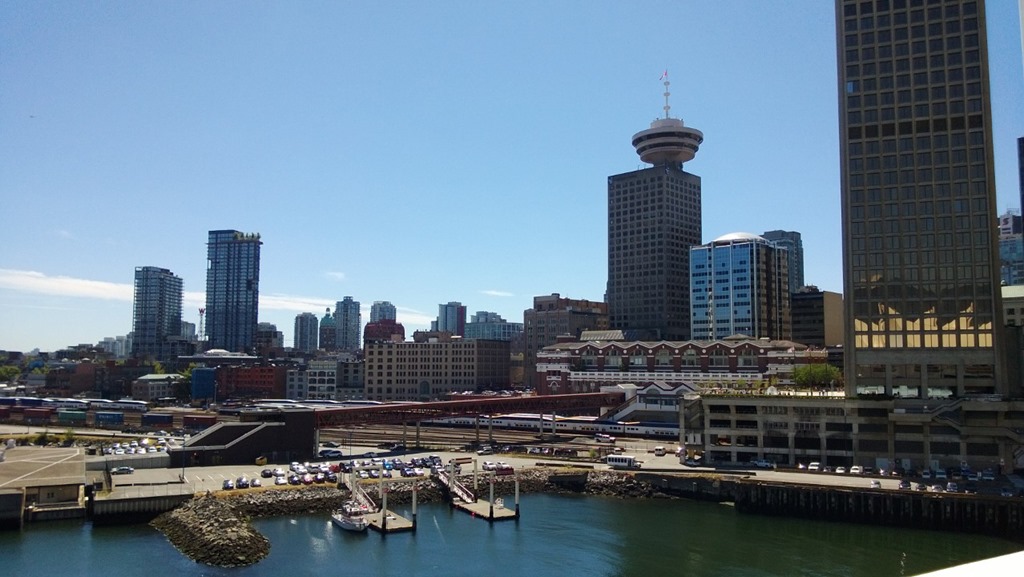
Bonus photo: The view of the city from Canada Place

WP_20130726_030

Labels: , ,

posted by AndyO @ 8:27 PM   0 comments

Thursday, July 25, 2013

Rush in Vancouver B.C. - Day 1 - July 25, 2013

For the second time in two years, Rush brought the Clockwork Angels Tour to the Pacific Northwest. In November 2012, they'd played downtown Seattle at Key Arena; but this time around, they were playing Vancouver B.C. (Friday) and the Portland, OR, area (Sunday).

Being the Rush fan I am, I usually try to see all the shows in the area. But I was leaving for a family reunion in Yellowstone on Saturday, which meant I could only see the Friday show. My 13-year-old son was also going with me, so I decided to extend the trip into a few nights, instead of driving up and back in one day. (I was also wary of crossing the border on a Friday.) 

With our plan in place, Cameron and I set off to Vancouver around 7:00 p.m. on Thursday, a 2-1/2 hour drive.

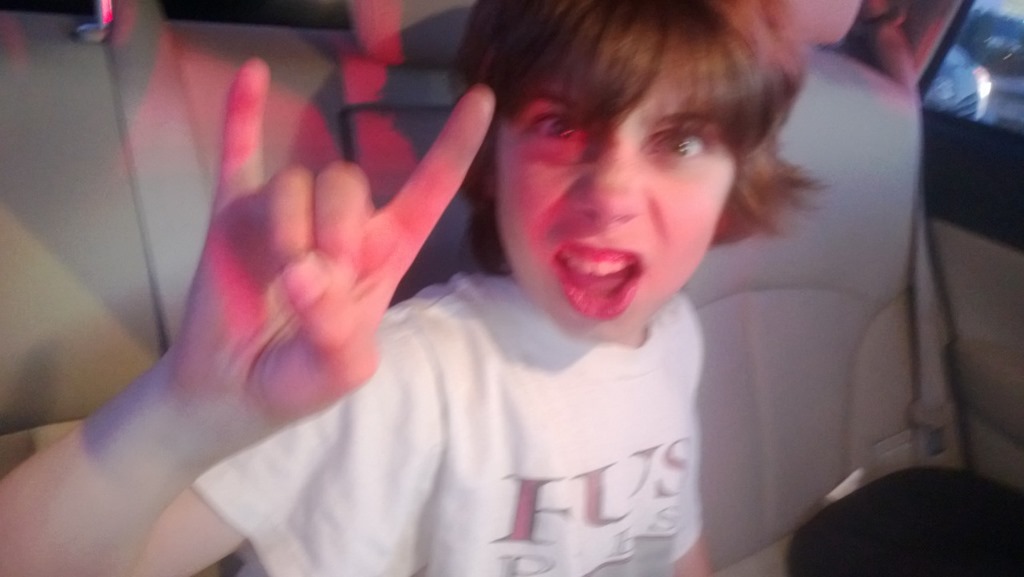
Cameron is ready to rock

It was a perfect night for traveling with clear skies and light traffic -- until we got to the U.S./Canadian border. Since we were driving on Thursday (and not Friday), I was expecting 15-30 minutes to cross into Canada. But it took over an hour.

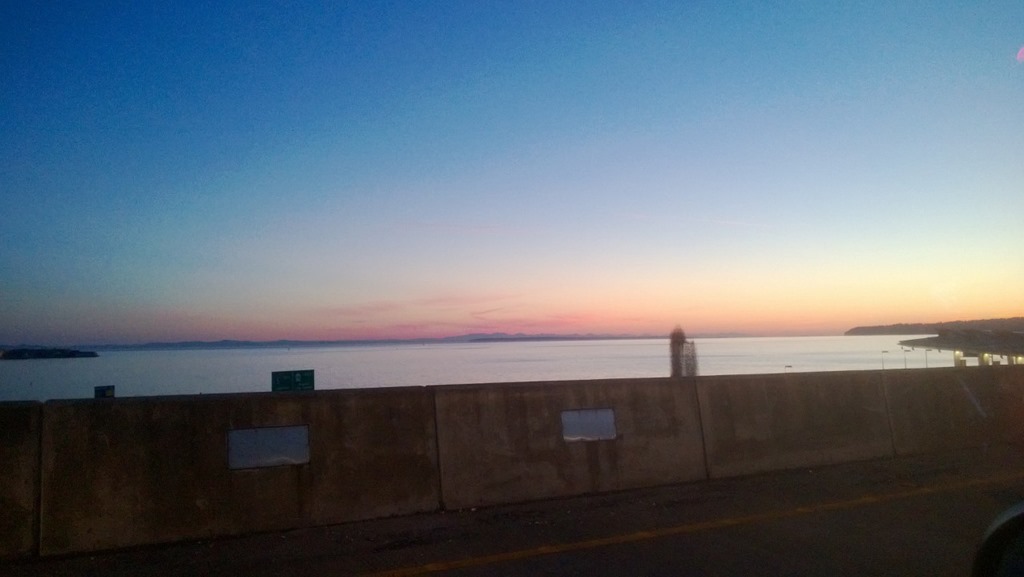
At least the view was good:

WP_20130725_018

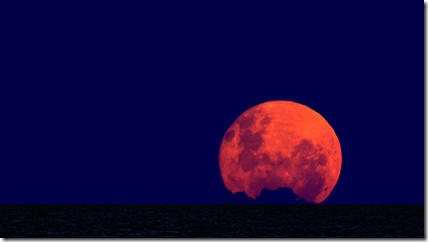
After crossing the border and driving for a little while, I looked in my rearview mirror. There I saw the moon peeking over the horizon, red and ominous, like the Eye of Sauron.

This isn't my photo (after all, I was driving!), but this is what the moon looked like (thanks to Luis Argerich for taking this one):

image

Arriving in Vancouver: Sheraton Wall Center disappoints

We arrived at our hotel around 11:00 p.m. after 4 hours in the car. As we climbed the escalator to the main lobby, we heard the strains of Latin piano drifting from the bar, accompanied by a rhythm track. A few older couples were dancing smoothly. Cameron noted how "everyone is dressed up in fancy clothes."

We had to wait to check in, as only one person was working at the front desk (and the man in front of us was asking a lot of questions). Finally, it was our turn, but as we were checking in the woman at the front desk said, "Your room with one king bed is in the south tower -- "

"Wait, didn't I book two beds?" I asked.

"You did, but I don't have any rooms left with two beds. Also, Mr. Olson, it is after 11:00 p.m."

Even though she was right (I was arriving at 11:00 p.m.), it was almost comical to hear this tone coming from someone in the hospitality industry. I think she must have realized how she sounded, as she said we could call the next day to check for an alternate room.

After that, we went downstairs again to get our bags and waited for another five minutes for the valet (a long time when you're really tired). Then we walked to the "south tower," which meant going back up the escalator and walking about 100 yards.

Once in the south tower lobby, we waited five more minutes for an elevator (due to a large crowd). On the sixth floor, we walked though a labyrinth hallway to our room.

But our key didn't work.

As I kept trying the key, doubt started to creep into my exhausted mind that we were in the right place. I pictured a couple waking up in their king-size bed, wondering who was trying to break in. So I decided to haul all our bags and weary bodies to the south tower lobby again.

I didn't see anyone to ask in the lobby, so I went outside to interrupt the valets wearing fancy hats in the midst of an important midnight conversation. They looked at my key and verified that we were indeed in the right place -- then went back to their important conversation.

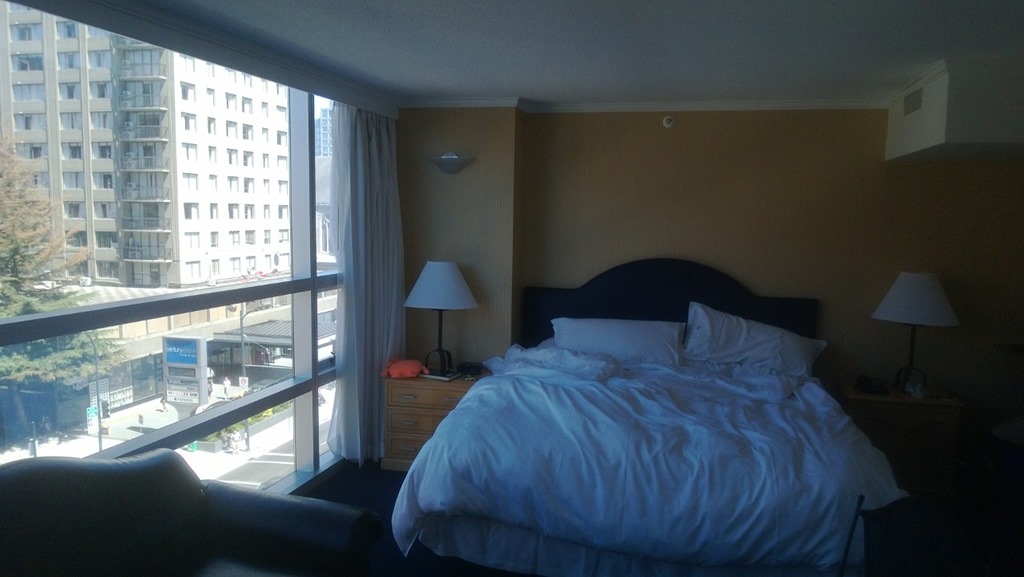
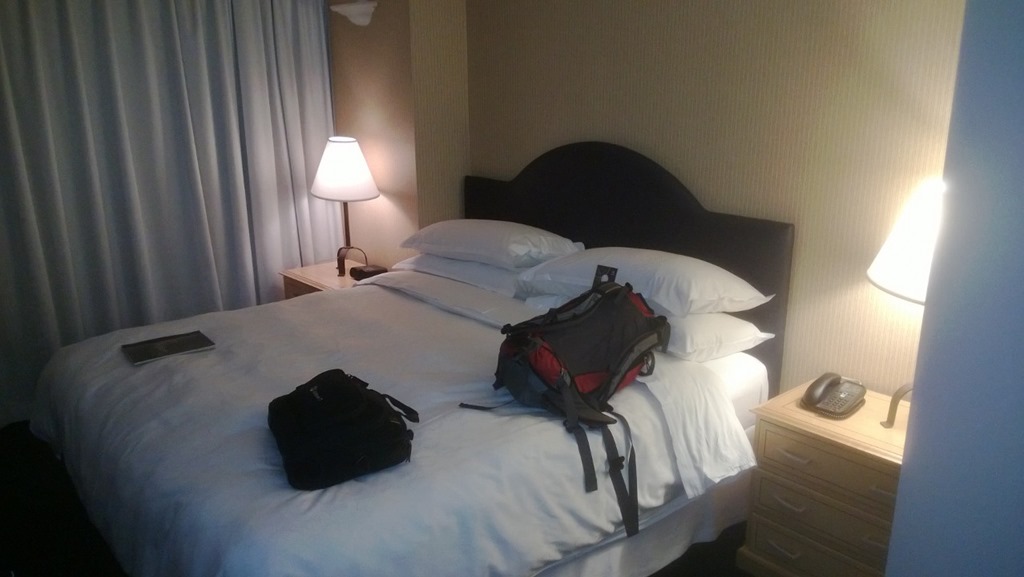
Back at our room, the key opened the door. As we unpacked and settled in, I realized how much I yearned for hospitality and customer service after a long day of travel. And I if I'm paying over $300 (U.S.) per night, I kind of expect that level of service. (I would find out later through reviews on Expedia that many people reported similar experiences at the Sheraton Wall Centre -- even though it averages 4 out of 5 stars.)

Our one king bed at the Sheraton

Cam and I went to bed around 12:30. He fell asleep right away, but I was up until around 2:00 a.m..

For some reason, Vancouver is one of the loudest cities -- especially when you're right across the street from an emergency room. I cranked the air conditioner to try to drown it out, but it still sounded like periodic battles on the streets below.

Labels: , ,

posted by AndyO @ 11:32 PM   0 comments

Sunday, May 19, 2013

Mother's Day 2013: A visit to the Museum of Glass

After visiting visiting the stellar Chihuly Graden and Glass exhibition in Seattle Center last year, the Museum of Glass (MOG) in Tacoma moved up the priority list of local museums I wanted to visit. So when I mentioned MOG as a possible Mother's Day destination, she thought it was a perfect idea.

So we drove to Tacoma.

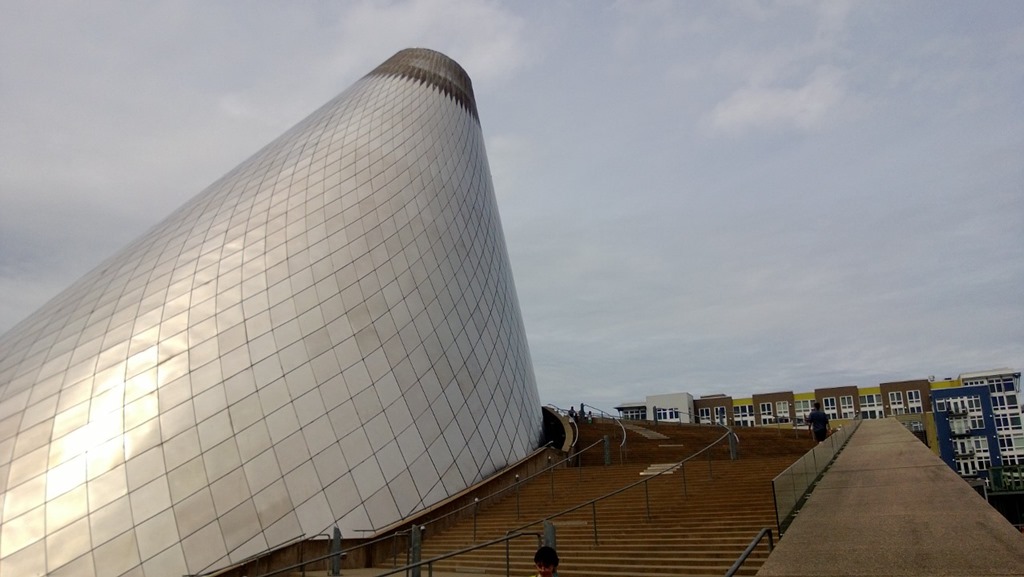
We knew we were at the museum when we saw a 90-foot silver cone surrounded by a spiral staircase. 

WP_20130512_004

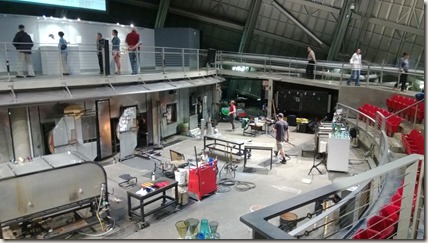
Inside the stainless steel cone are rows of seats that face the Hot Shop (the largest in the world from what I read). From the seats, you can see the team of artists working below. An emcee narrates the process and even takes questions from the audience. You can see what it looks like here. On this day, I believe it was Gabe Feenan who was doing the main glass work.

The Hot Shop

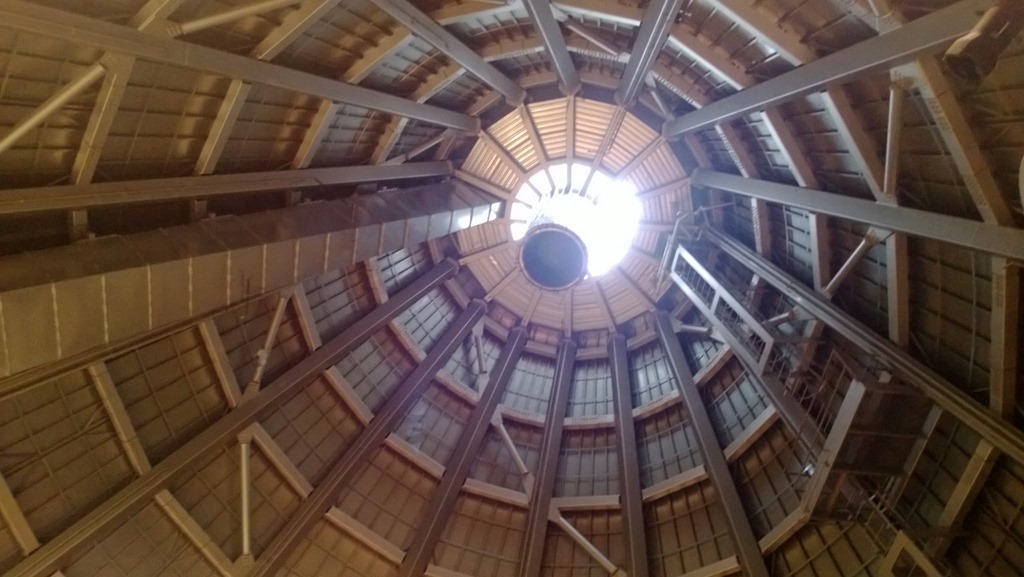
Looking up into the cone. (This reminded me of that scene of the place in Charlie and the Chocolate Factory where Charlie and his Grandpa almost die after drinking the lighter than air soda).

Looking up in the Hot Shop

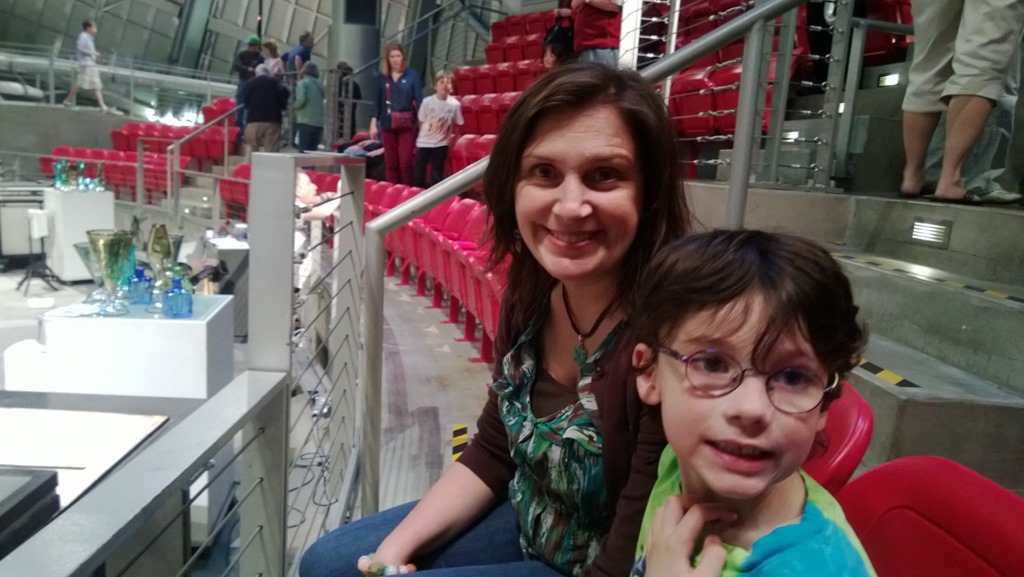
Brenda and Drew in the Hot Shop:

Brenda and Drew

Once the glass artists went on their lunch break, we walked around the rest of the museum. There was one gallery open, and a harp ensemble played beautifully in the lobby area. It was at this point I thought, "Is this all there is?"

Then we went outside. And here's the thing: You don't need to buy a ticket to see any of the art outside. In fact, unless your goal is to see artists working on glass (which is definitely a unique experience), I'm not sure MOG is worth the entrance fee. There's just not much else to do there, unfortunately (unless you want to go in the gift shop and go to a restaurant for lunch).

The view from the top of the Grand Staircase:

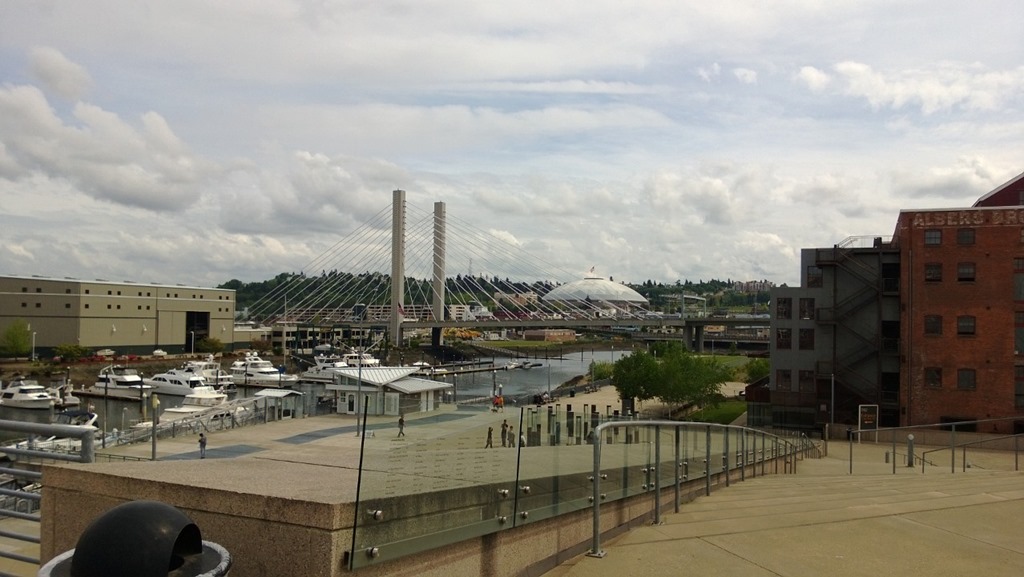
WP_20130512_016

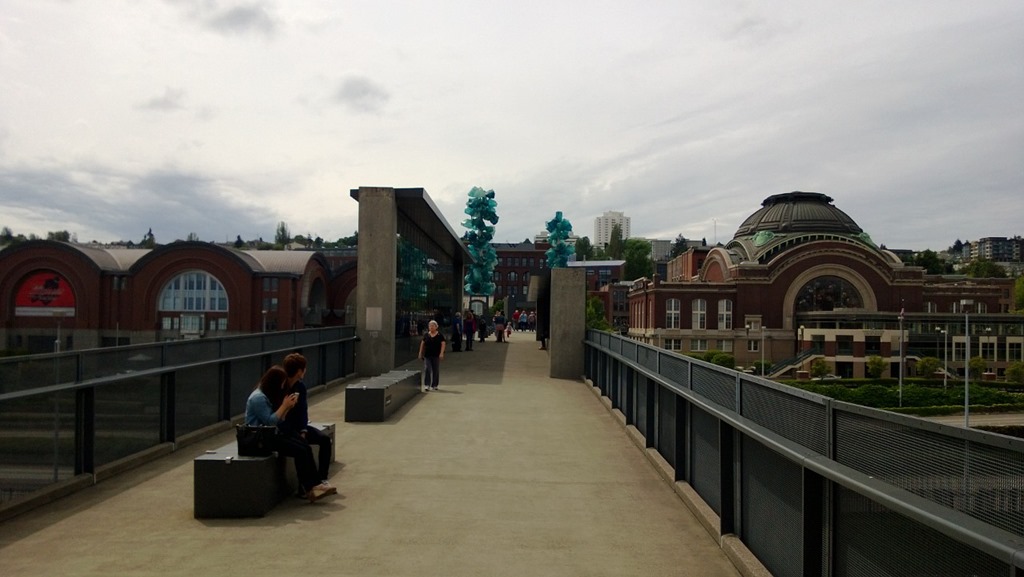
Walking across the 500-foot-long Chihuly Bridge of Glass:

WP_20130512_018

From what I read, the Bridge of Glass is actually three different installations.

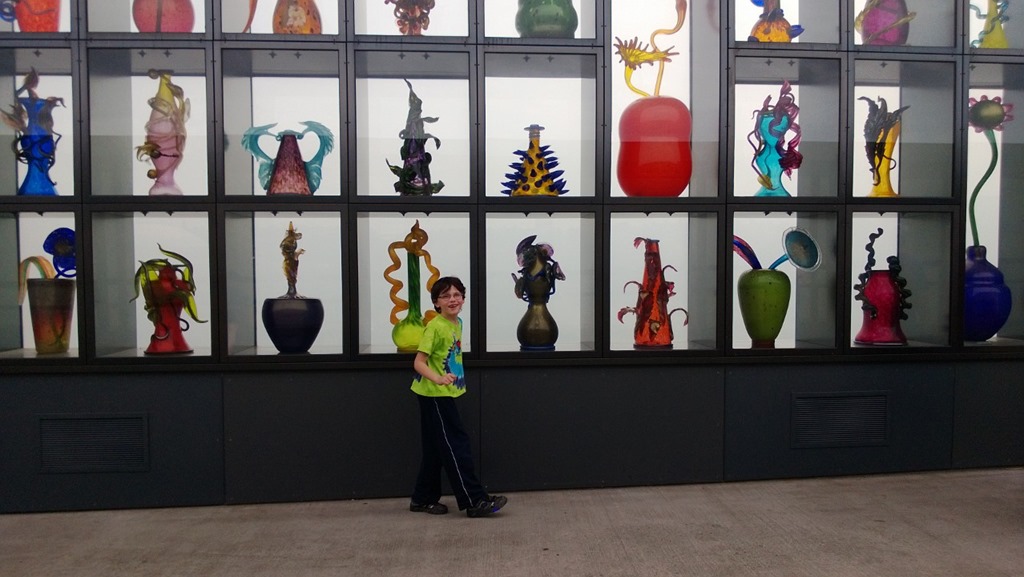
1. Venetian Wall: This contains 109 sculptures from three of Chihuly's series: Venetians, Ikebana, and Putti

Chihuly's Venetian Wall

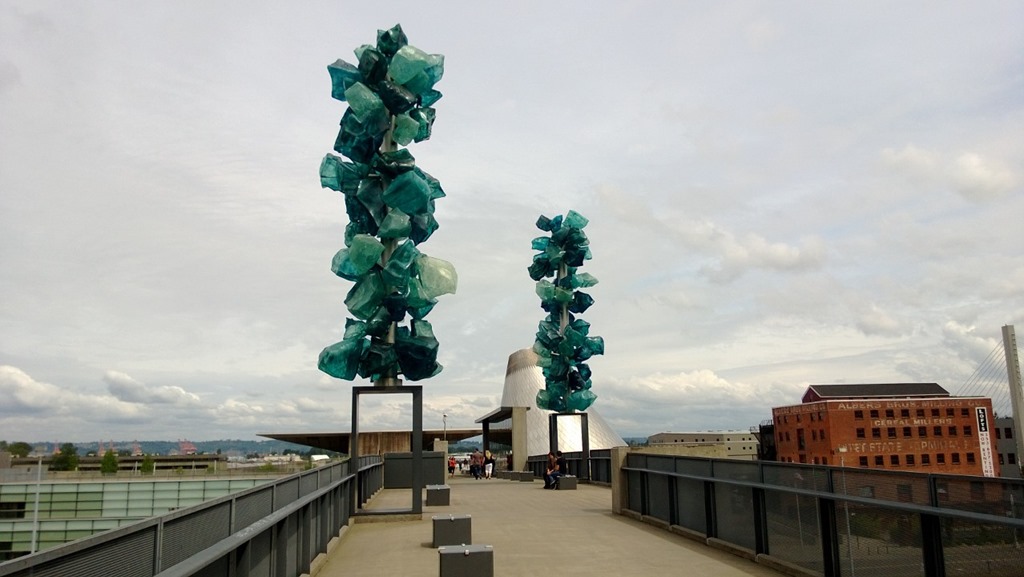
2. The Crystal Towers:

The Crystal Towers

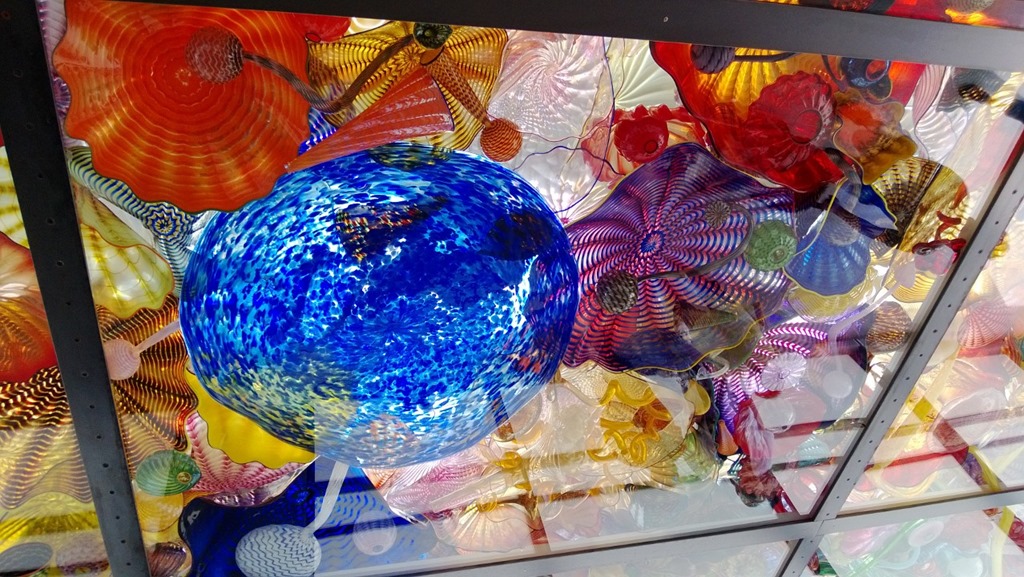
3. The Seaform Pavilion. As you walk underneath this installation, you look up into 2,364 objects from Chihuly's Seaform and Persian series in the ceiling.

The Seaform Pavilion

After all that walking (OK, it had only been about an hour), we decided to go to the Old Spaghetti Factory.

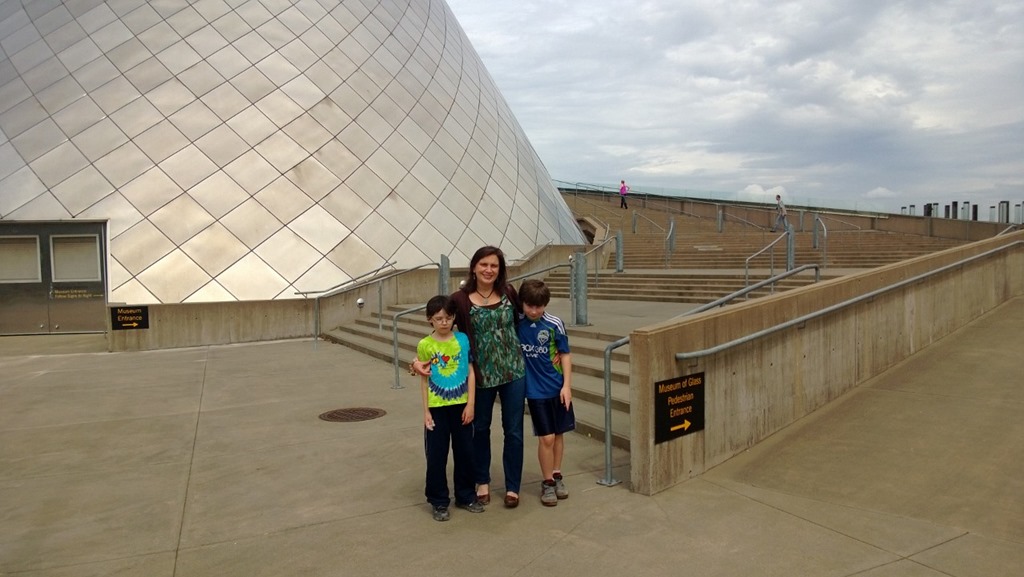
Here's a picture of Mom with her two boys.

Brenda and her boys

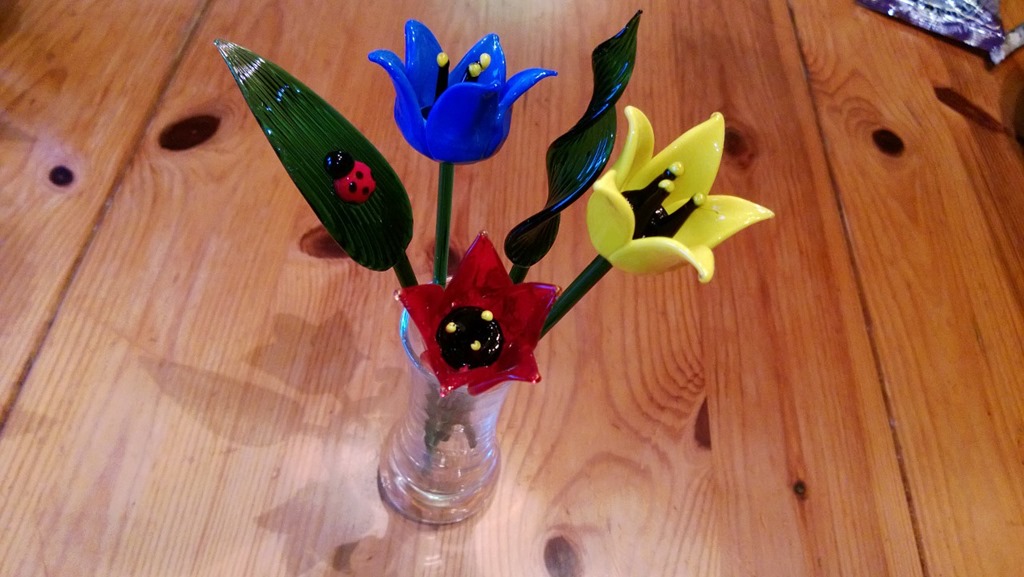
Later in the evening, Brenda opened her Mothers Day present: a glass vase and flowers:

Glass Mother's Day Flowers

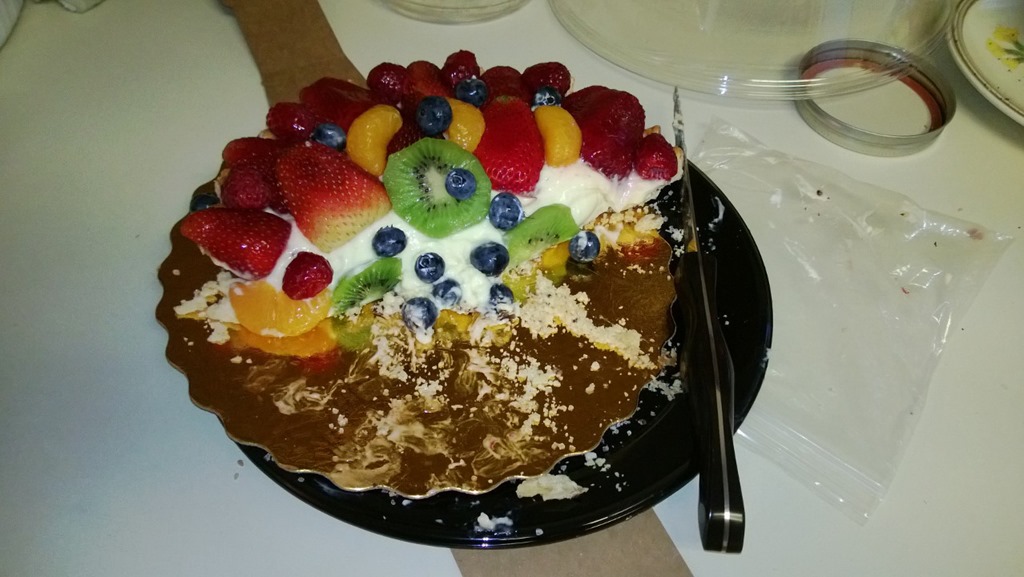
And then she ate her favorite dessert: Fruit Tart!

Brenda's favorite dessert

Happy Mothers Day 2013, Brenda!

Labels: , ,

posted by AndyO @ 2:57 PM   0 comments

Friday, August 31, 2012

Oahu Day 4: On the way to PCC: Romy's Shrimp Shack - Aug 31

There were two things Brenda wanted to do on Oahu: snorkel in Hanauma Bay and visit the Polynesian Cultural Center (PCC). So this was the day we visited PCC. 

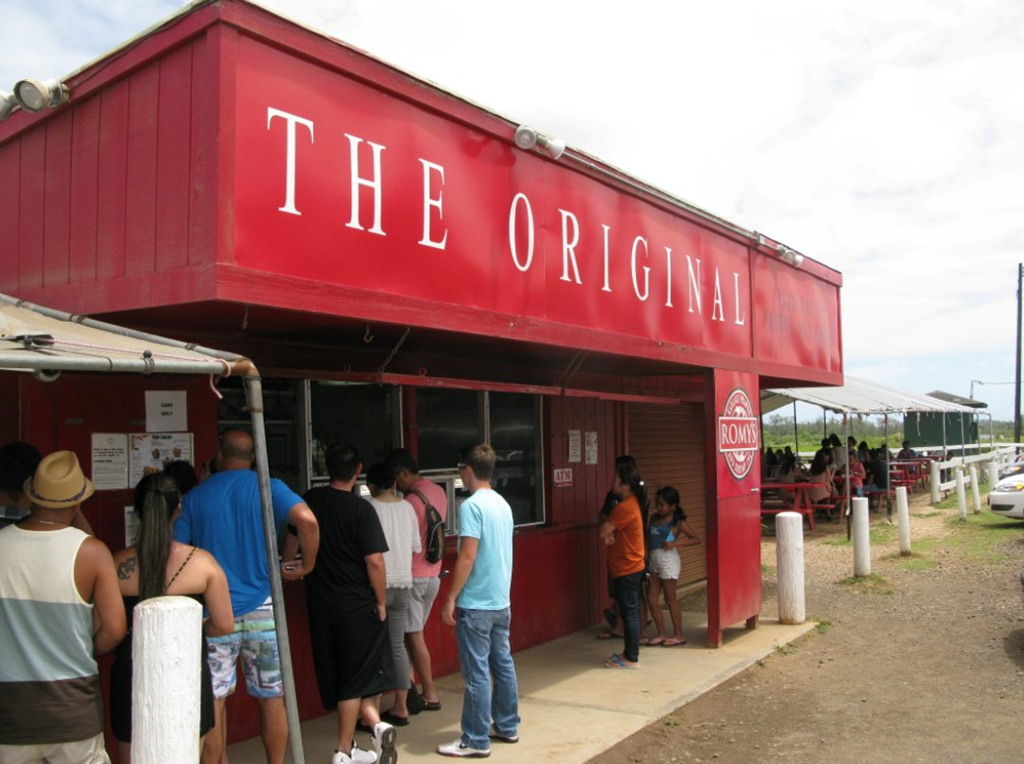
Along the way, we stopped at Romy's Kahuku Prawns & Shrimp, one of the many recommended shrimp shack's on the island. Upon arriving, we opened our car doors and were blasted by a wave of GARLIC aroma. I've never smelled garlic so strong in my life -- as if they were roasting it in the fields. Brenda was in heaven.

image 

We joined the long line for shrimp. A sign proclaimed:

This is not fast food. It is good food, as fast as we can make it.

The sign represents an artifact of the sad, fast-food reality that we live in today. People expect McDonald's-level service speed everywhere they go. But as our 20-minute estimated wait time extended to about 40 minutes, I started to question whether good food should really take this long -- especially when you're sweating in the shade past the point of comfort.  

Romy's website explains:

Romy's Kahuku Prawns and Shrimp is one of the "must see" spots when visiting the island of Oahu, Hawaii. Harvested daily, Romy's prawns and shrimps are cooked live for the most succulent seafood on the island. Drop by for lunch or dinner when you are visiting the hot spots of the North Shore.
The food is four-star quality, but the roadside "shrimp stand" atmosphere guarantees a real taste of local culture.

When the shrimp arrived, it wasn't quite what I was expecting. We're so used to having our food killed, prepared, cooked, and packaged, it's a shock when shrimp and prawns show up with the heads intact. I started peeling away. The pitiful, small napkin I received with the meal was soon so full of mustard-yellow shrimp goo that I abandoned the idea of ever taking any pictures of this meal. And, really, why would I want to? 

After eating only one or two of these shrimp (which tasted wonderful by the way), I started to lose my appetite a little. Brenda was undeterred. She even offered to gut a jumbo prawn for me (full of even more guts), which I gladly accepted.

I totally admit it: I'm just a wimpy American male who's used to getting my food on a platter, ready to eat. It's a good thing to experience the messy reality of real food (and I didn't even have to cook it). It's not like this is cheap food. 

So, if you don't mind sweating outside and working a little to get to the delicious food, Romy's is your place.

Labels: ,

posted by AndyO @ 7:47 PM   0 comments

Thursday, August 30, 2012

Oahu - Day 3 - Shark's Cove and afternoon lunch - Aug 30

Today, we went on our first snorkeling adventure of this trip. We decided to try out one of the most recommended sites on the island, Shark's Cove on the North Shore.

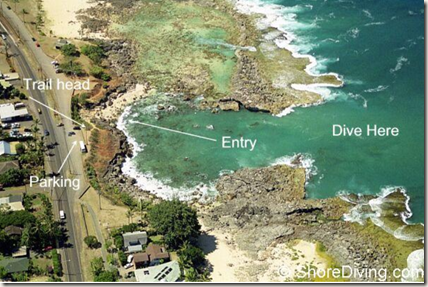
We got up early (well, early for me anyway) and drove about 15 minutes from Turtle Bay Resort to Pupukea Beach Park, where Shark's Cove is located. There we left our car unlocked (as you do in Hawaii), and took our gear down to the beach. Because we didn't want to get anything stolen, we left all cameras, phones, and other electronics at the hotel (which is why there are no pictures). But here's one I found on ShoreDiving.com that shows Shark's Cove from the air. TropicalSnorkeling.com has a great page about Shark's Cove with more photos.

image

Groups of divers did their pre-dive checks in the park above the cove, most of them from Japan, Europe, and other countries outside the U.S. We found our way down the steep, rocky trail to the beach. Here, we found slivers of course sand between mounds of volcanic rock. We found a good spot to set up camp and headed out.

I've always had difficulty with snorkeling -- at least on the first day. The combination of the mask and snorkel is a claustrophobic experience. But except for navigating the rocks to get out into the bay, and then getting used to the 75-degree water (which is cold at first), I was snorkeling above some breathtaking underwater scenery in less time than any other trip. Never had I seen so many species of fish in one place. One moment I was floating almost inches above a reef and the next above an abyss of clear, blue water.

And in case you're wondering, there weren't any sharks there in Shark's Cove on this day. From what I've read, they are infrequent visitors.

As the morning hours ticked away, crowds of other snorkelers found their way to the beach and water. This made it nearly impossible to move around in the water without bumping into someone. After two hours of snorkeling and sitting at the beach, we left the crowds.

Lunch at the Turtle Bay Resort

After the post-snorkel ritual of showering, enjoying the view from the hotel, and relaxing, we headed off to lunch at Ola Restaurant at the resort.

This is the kind of Hawaiian restaurant you fantasize about, as you're almost dining right on the beach (you can even eat on the beach if you want). For some reason, after snorkeling I'm always ravenous for a hamburger. We started off with the Seared Beef Poke as an appetizer, which was good -- but had a little too much fat for us (which we told them).

For lunch, Brenda and I split a North Shore Cheddar Cheese Burger and a Grilled Fresh Island Fish. It was all excellent.

After lunch, I'm semi-embarassed to say, I sat around for most of the day (in between calls from our son Cameron with Xbox problems and questions). It was definitely a relaxing day.

As the day wore on, I noticed the searing sensation of sunburn on my neck and back --uncomfortable but not really painful. Brenda came up with the theory that our sunscreen had washed away after our first snorkeling run at Shark's Cove. And since Brenda spent more time in the water than I did (face down, as you do when snorkeling), she was also more burned on her back and legs. 

This was actually the first time I've been burned in Hawaii, and I realized it was one of the first times I'd gone snorkeling without one of those UV shirts. I knew what I'd be picking up before I went snorkeling again.

Labels: ,

posted by AndyO @ 7:41 PM   1 comments

Wednesday, August 29, 2012

Oahu Day 2: Mighty Mo and reflections on WWII

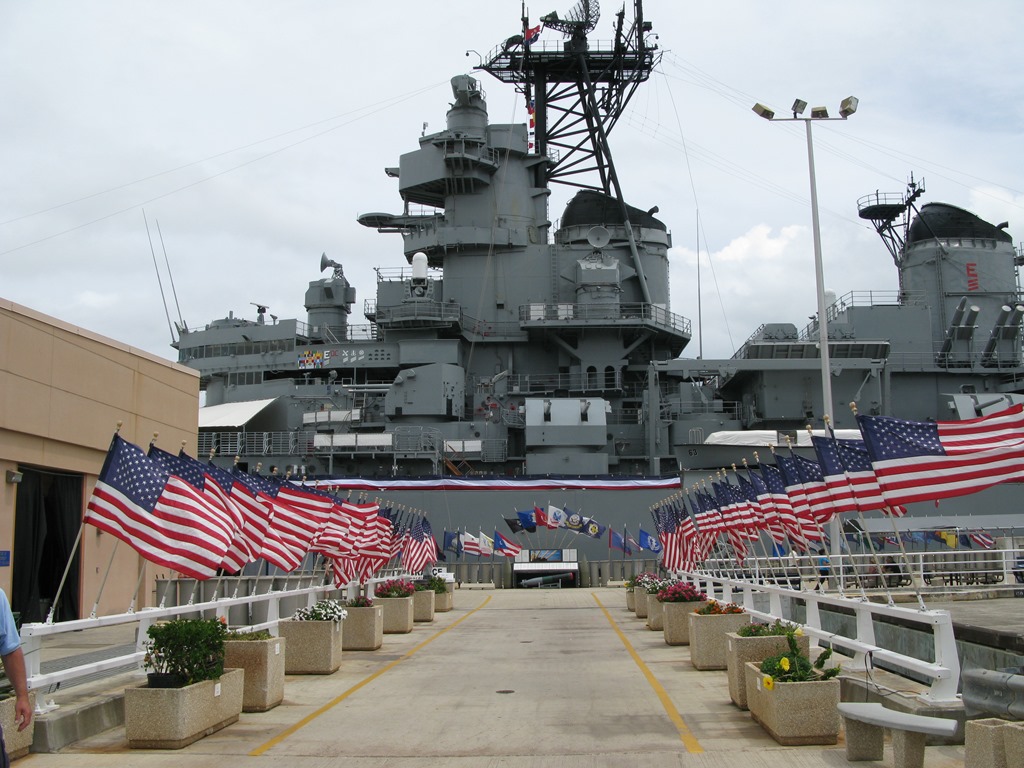
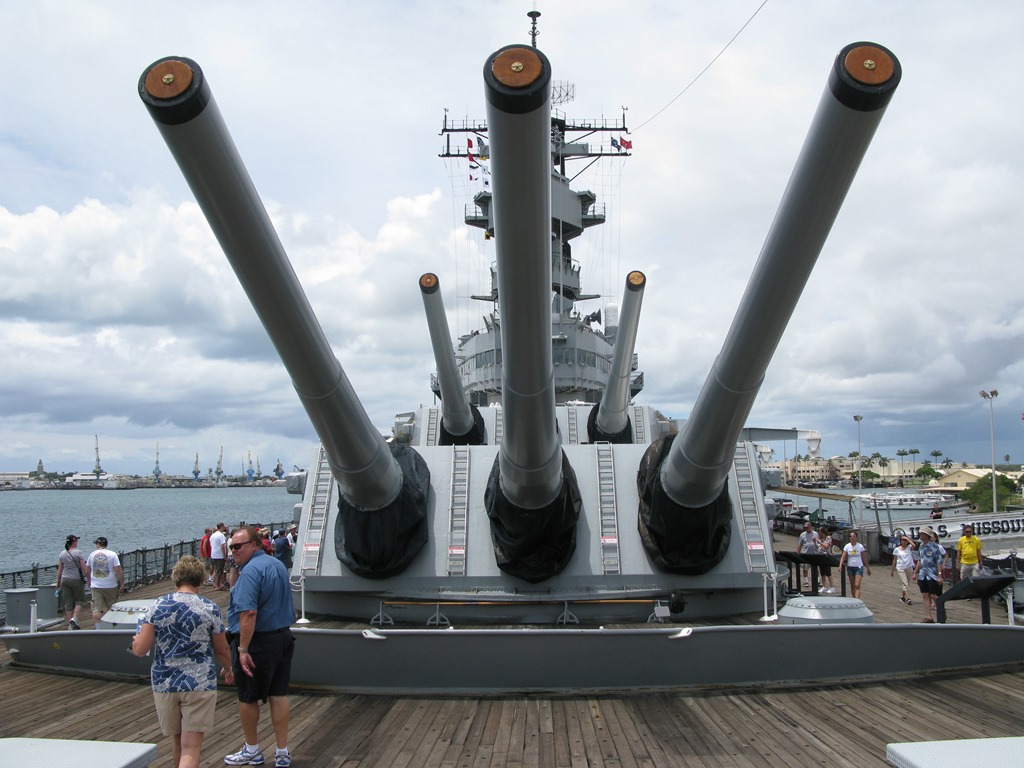
Our last stop on our Pearl Harbor tour was the U.S.S. Missouri. You have to take a bus to get to the Missouri, as it's moored on Ford Island, an active military base.

As you drive out to the island, there's an announcement on the bus intercom about not taking pictures during the drive. Once you're there, you walk across the dock to the battleship directly ahead of you.

IMG_0290

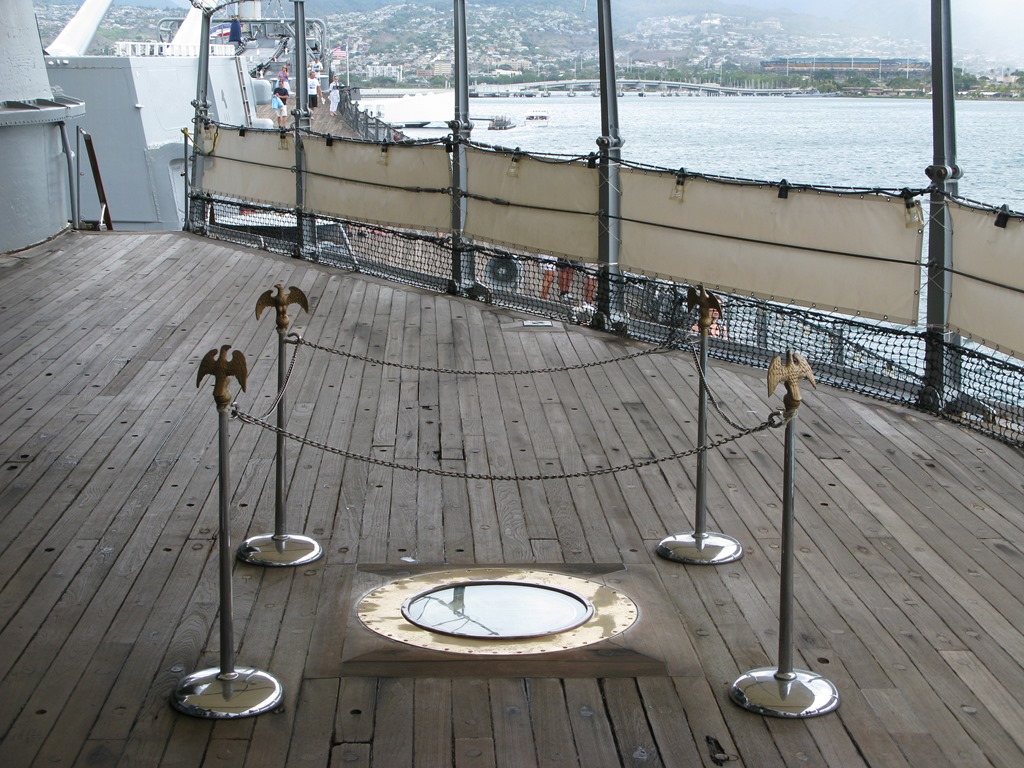
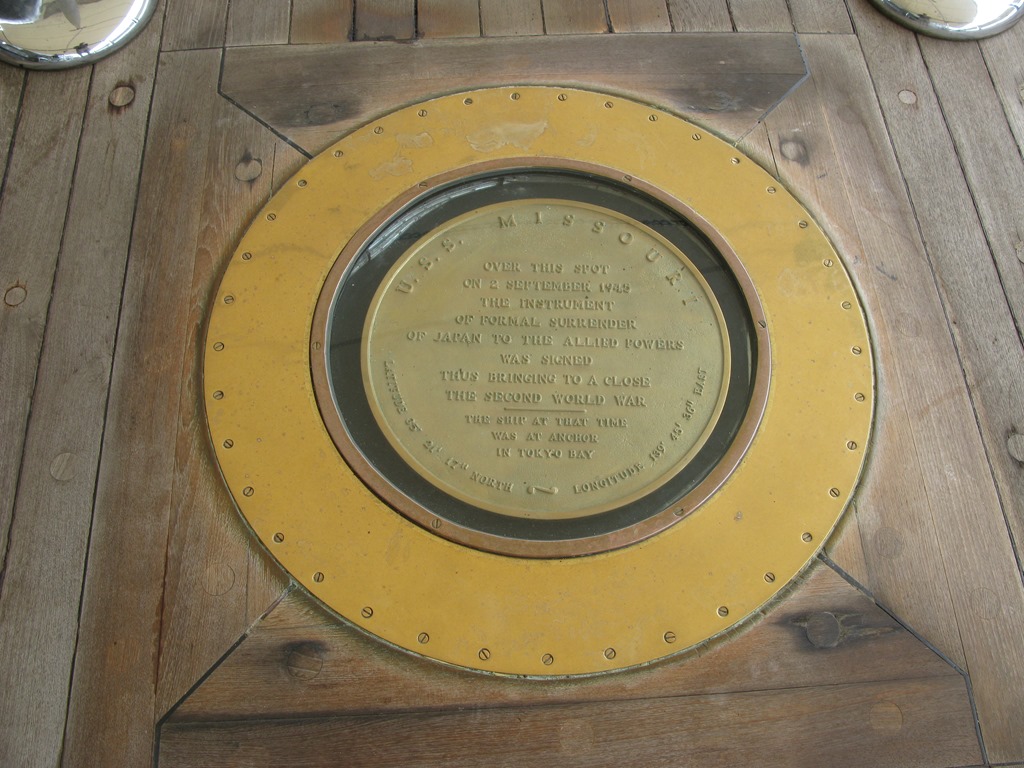
It was on the U.S.S. Missouri that the Japanese Empire surrendered to the Allied Forces on September 2, 1945. A plaque now commemorates the spot where the surrender document was signed.

IMG_0232

IMG_0269

Besides being the location of this historic event, I learned a lot about the Missouri:

  • She was the last battleship built by the United States. With modern aircraft and aircraft carriers, battleships became obsolete.
  • She was decommissioned in 1955 after fighting in World War II and the Korean War.
  • She was reactivated and modernized in 1984 as part of the Navy's 600-ship Plan and went on to fight in Operation Desert Storm in 1991. (I guess battleships weren't obsolete.) 
  • The U.S.S. Missouri Memorial Museum organization must keep the ship ready to go back to sea. (Now the ending of the movie Battleship makes a little more sense.)
  • She barely fits through the Panama Canal and makes horrible sounds as she scrapes through it.
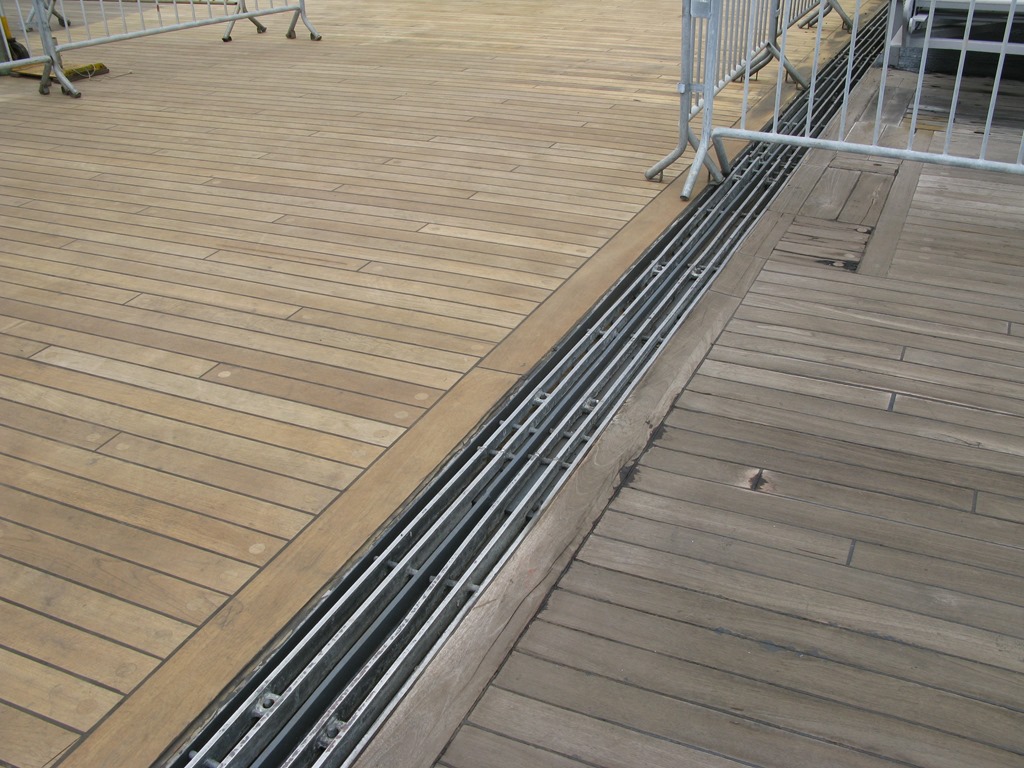
  • The teak deck is in poor shape and is currently being refinished. Here's the difference between the refinished deck (on the left) and the weathered deck (on the right):

IMG_0236

  • She has nine 16-inch guns that can fire a 2,700-pound shell 23 miles.

IMG_0221

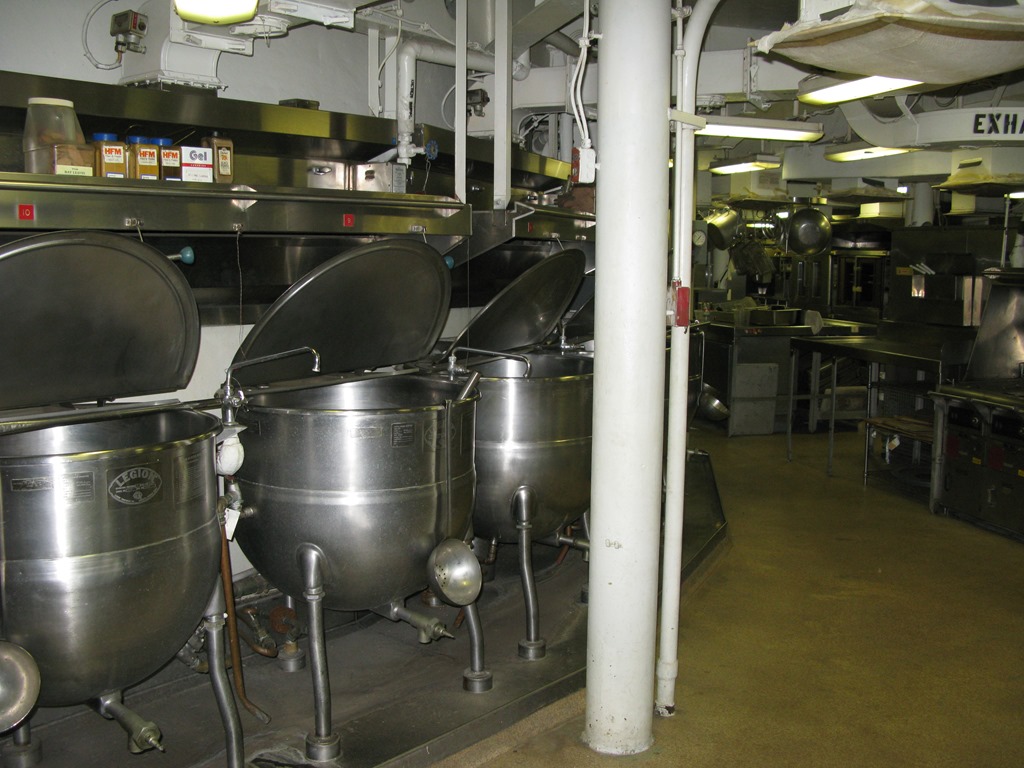
But what most surprised me about the ship was its size. When we traveled through the decks below, it felt like a small city, complete with offices, kitchens, computer rooms, bunk rooms, and everything else. Of course the officers' areas have more space.

IMG_0247

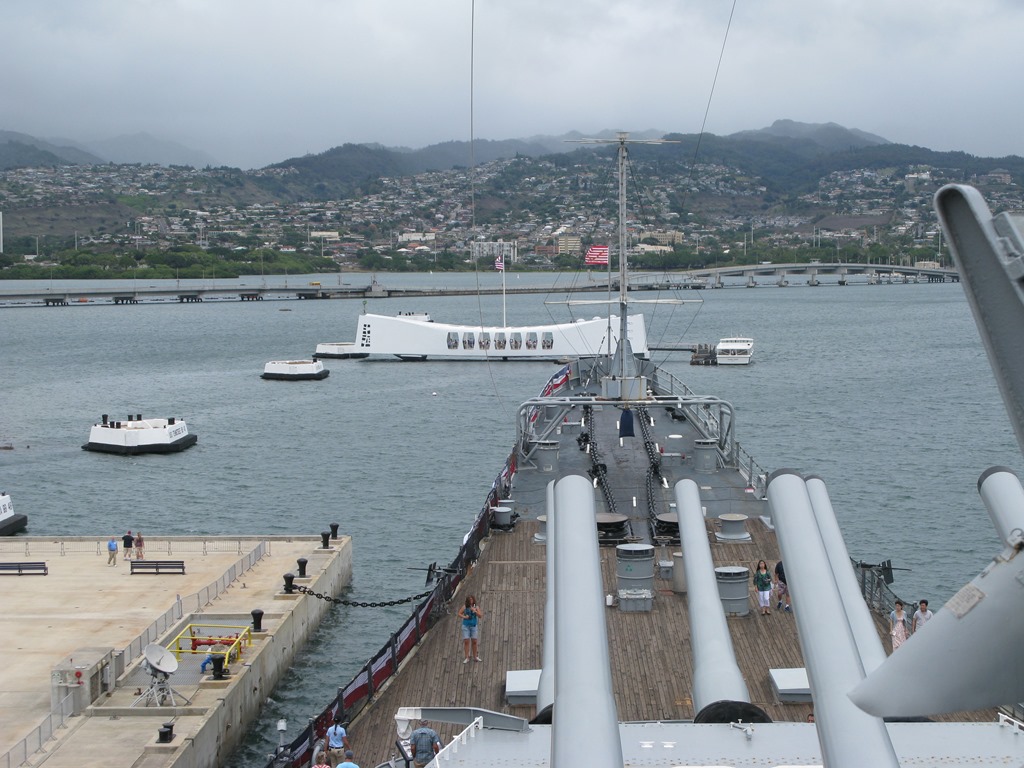
Here's a view from the bridge with the Arizona Memorial in the distance.

IMG_0256

Reflections on World War II

Seeing these two memorials together like this kept bringing me back to the same questions about World War II: Why did it happen? Could it have been avoided? 

As I walked around these memorials with many Japanese tourists, I wondered why these people who are now our friends had become the enemy by 1941. After all, the Japanese were our allies in World War I.

To understand why the Japanese attacked, you have to go back to 1870, when it became a modernized nation. With this change came a powerful, modern military. But Japan was also dependent on other nations, as it lacked natural resources. If you don't have the resources you need, you either trade for them or take them from other nations.

Japan began to flex its military muscles at the end of the 19th century and beginning of the 20th century. They went to war with China from 1894-1895 and Russia from 1904-1905. The result was that Japan became the dominant power in the Far East. They also achieved their objective of creating a larger buffer against future attacks.

The Great Depression pushed Japan over the edge into total militarization and Fascism, similar to what was happening in Germany. In 1931, Japan invaded Manchuria. After international outrage, Japan resigned from the League of Nations.

By 1937, Japan was in a full-scale war with China. As atrocities mounted from Japan's occupation, including the Nanking Massacre, the U.S. supported China with money, fighter pilots (The Flying Tigers), and supplies. When Japan invaded French Indochina in 1941, the U.S. froze all Japanese assets and cut off its oil supply (the U.S. supplied 80% of Japan's oil).

With its back against the wall, Japan became even more aggressive. Plans were made to knock out the U.S. fleet stationed on Oahu. With that fleet destroyed, Japan could continue its conquest across the Pacific, unchallenged.

But beyond an initial victory at Pearl Harbor, it didn't turn out well for Japan. At the end of the war:

  • 2,620,000 to 3,120,000 million Japanese had been killed (military and civilians)
  • Millions of people were slaughtered by the Japanese during their conquests and occupations (the number is somewhere between 5.4 - 30 million, but we'll never really know)

The conclusion I've come to is that wars will happen. Countries (or certain people in them) will want things they don't have (including strategic locations or resources). The invention of the atomic bomb changed the nature of war, as was seen throughout the Cold War. And then terrorism in the 21st century changed it again. Through it all, the military industrial complex has continued to feed the machine.

So all I can hope for is that our leaders learn from their mistakes and we never have a war like World War II again.

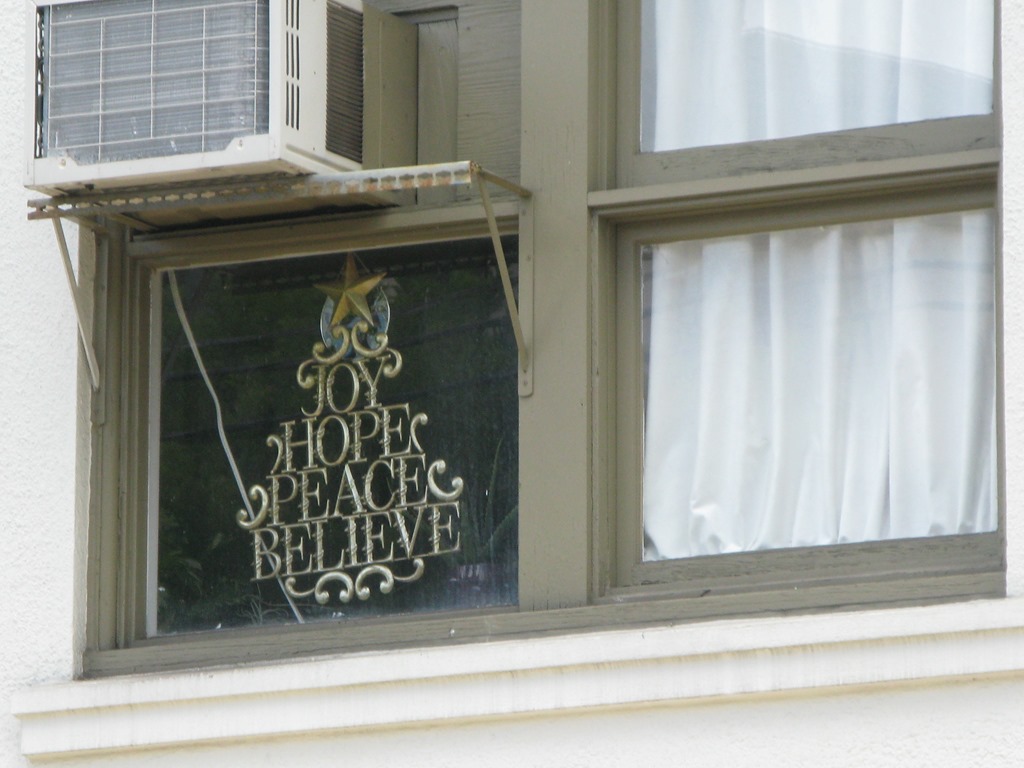
Here's a sign I saw in Chinatown in Honolulu that sums everything up pretty well:

IMG_0042

Labels: ,

posted by AndyO @ 7:45 PM   0 comments

Oahu - Day 2 - U.S.S. Bowfin tour and the hidden cost of war

After seeing the Arizona Memorial, we visited two other ships at the park.

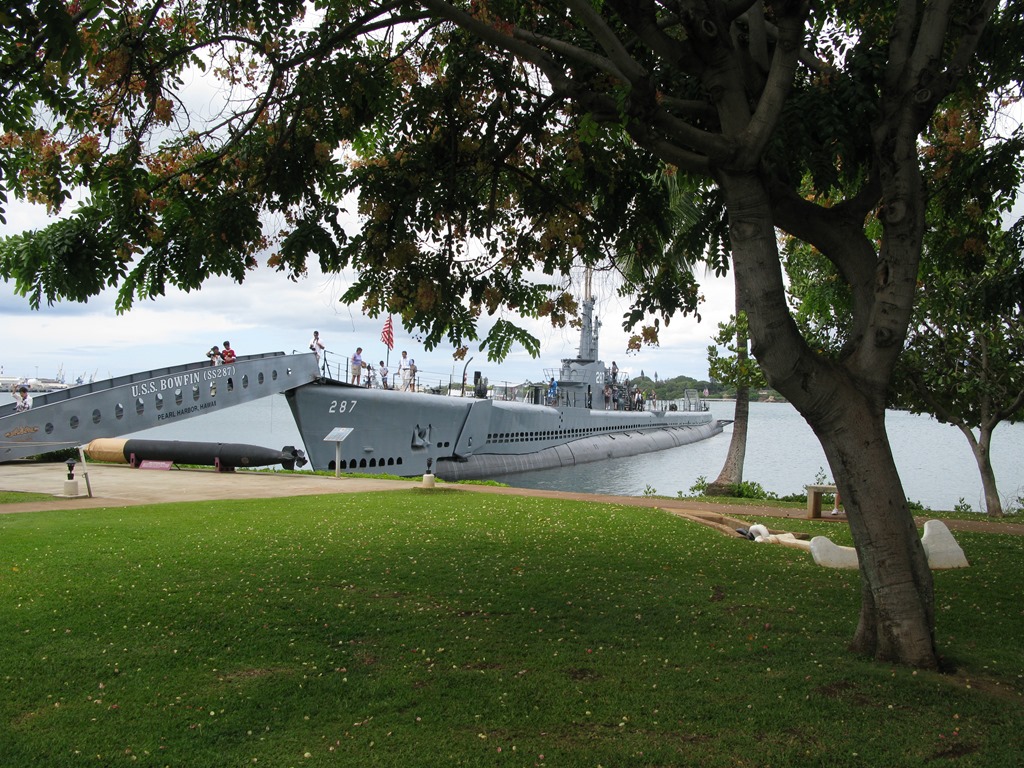
Our first stop was the WWII submarine, U.S.S. Bowfin (SS-287). I'd never been on a submarine before and had always wondered what they were like inside (especially after seeing all those movies).

U.S.S. Bowfin

The Bowfin was launched exactly one year after the Pearl Harbor attack, earning her the nickname "The Pearl Harbor Avenger." She completed nine complete tours, and sunk many vessels during the war.

A tour of the U.S.S. Bowfin

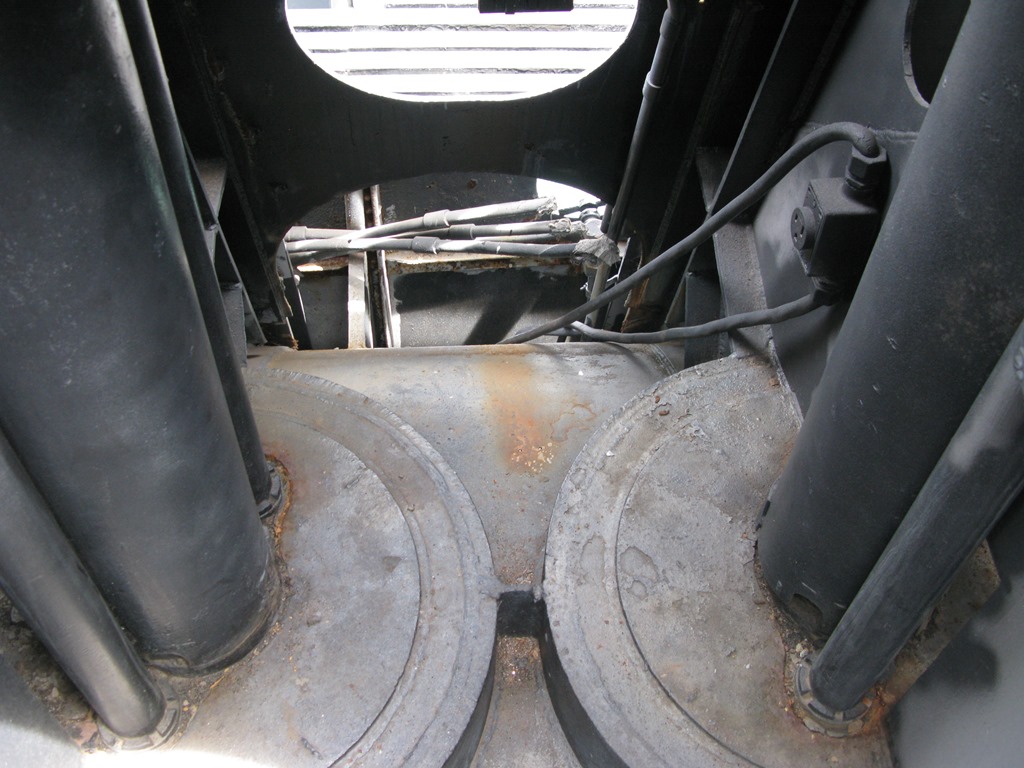
The first thing that I noticed was the deck of the submarine actually sits far above the hull of the ship -- so much so that you feel a little uneasy when you walk above it. Pipes and other machinery criss-cross the hull in this space. Here's a photo I took that shows what this looks like:

Under the U.S.S. Bowfin deck

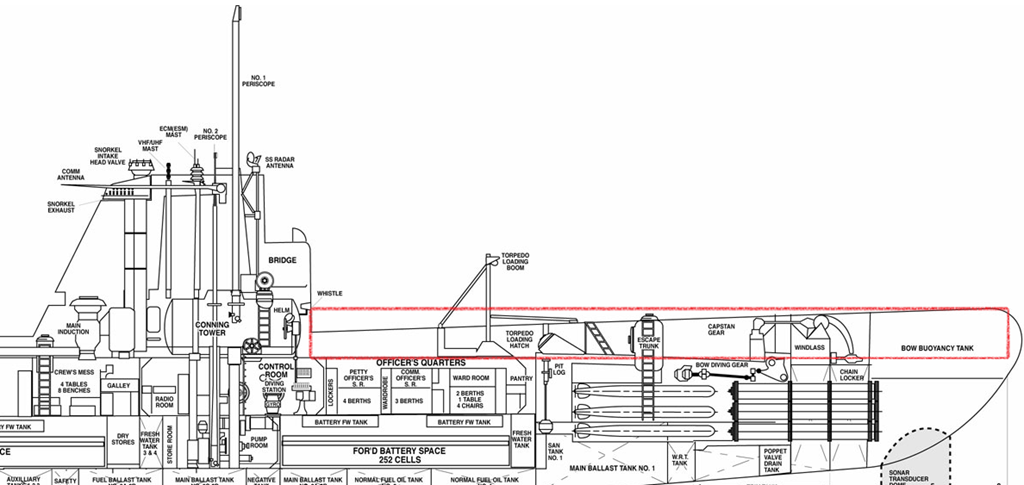
The red rectangle in these blueprints will give you some idea of how much space is below the deck line (note that the deck slopes up).

U.S.S. Bowfin blueprint

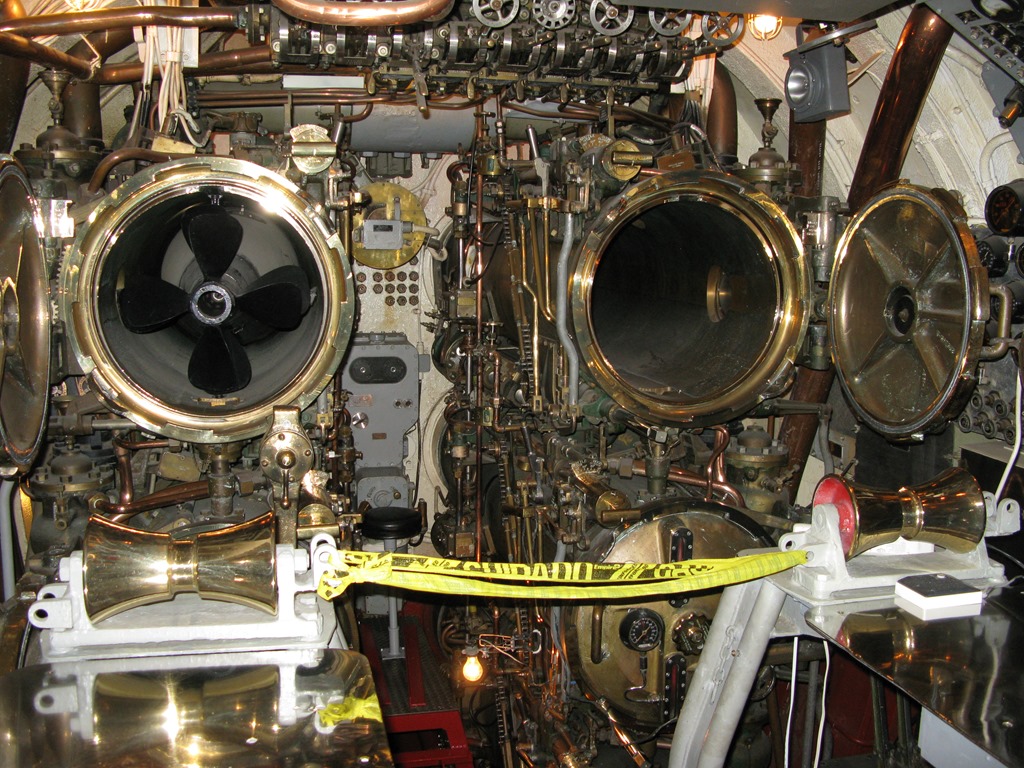
Upon entering the sub from behind the Escape Trunk area, we dropped into the forward torpedo tube bay. It was here I began to get some idea of the complexity of this machine. It actually reminded me of a Apollo Command Module or some of the other spacecraft I've seen.

U.S.S. Bowfin forward torpedo tubes 

It was no surprise the submarine was a cramped space, but I was able to move easily through the compartments.

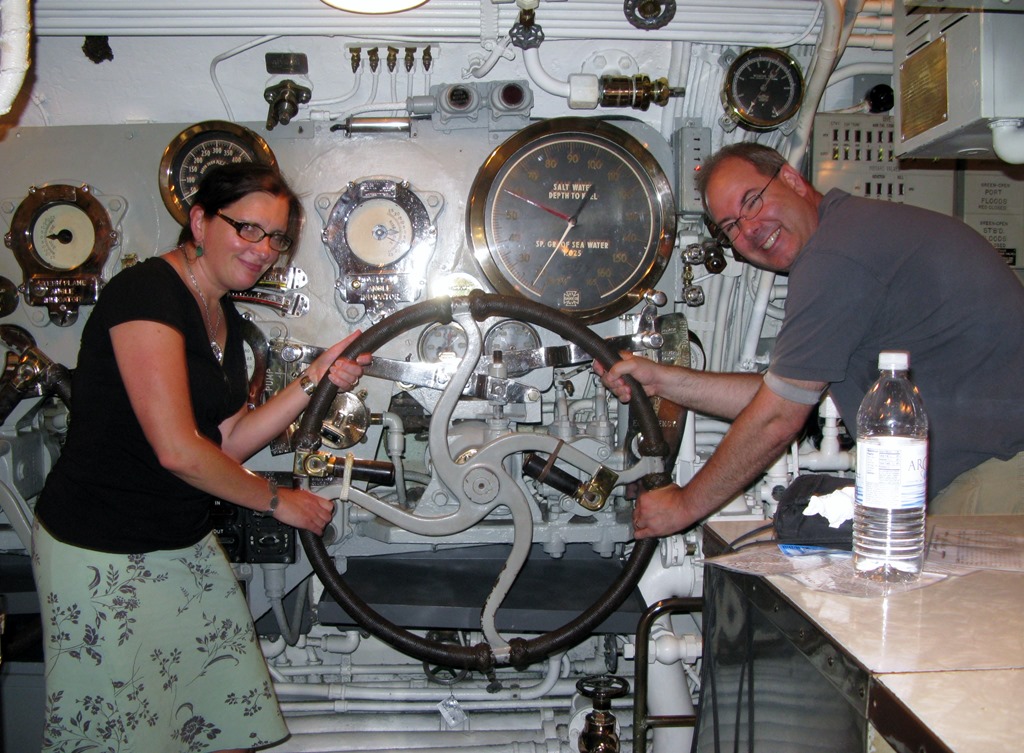
The command area of the sub contains all the dials, gauges, and controls you see in those WWII movies. Here, Brenda and I are operating the wheel that submerges the sub:

U.S.S. Bowfin - Dive! Dive! Dive!

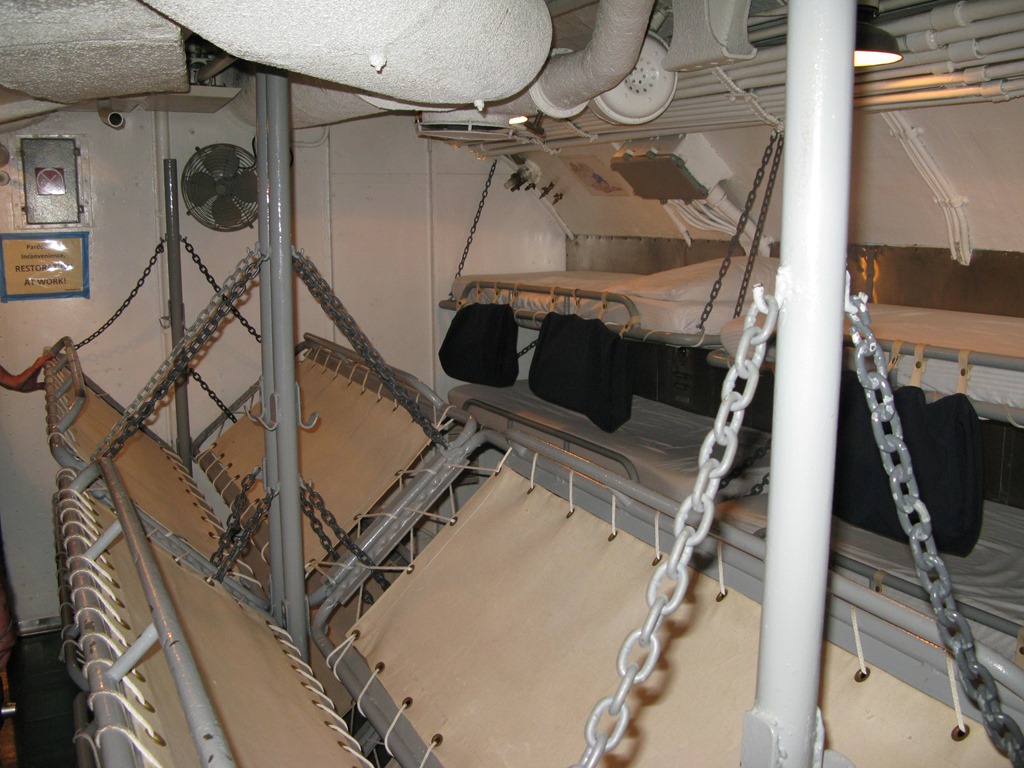
Here's where the crew slept:

U.S.S. Bowfin - bunks

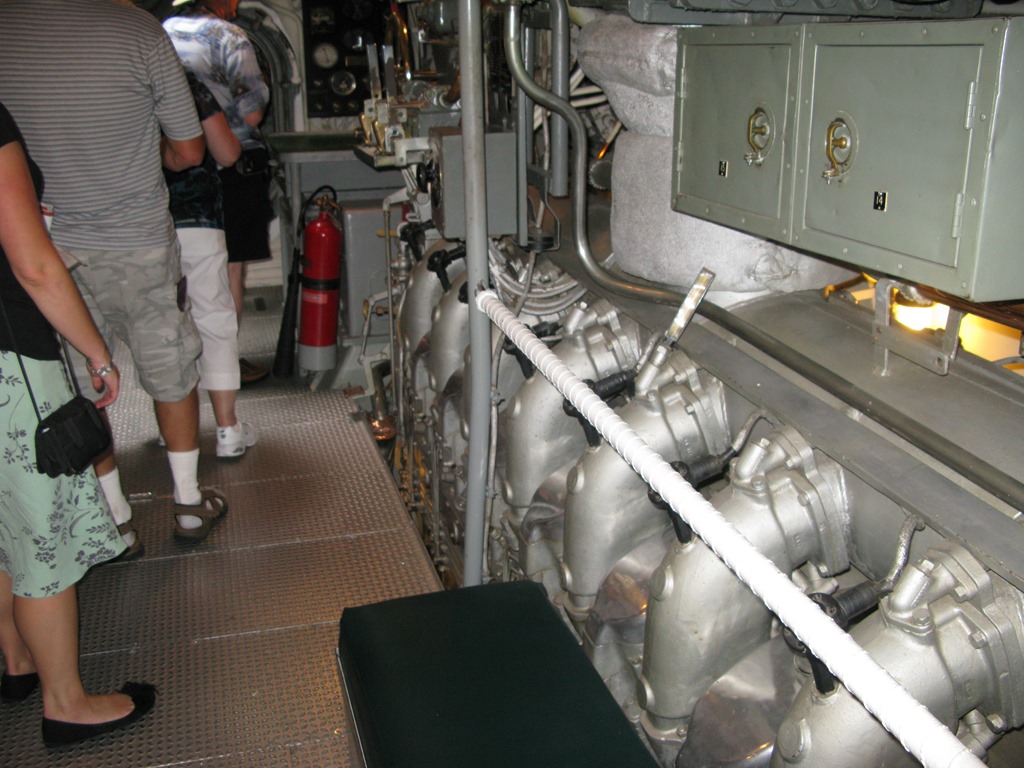
Here's one of the two engine rooms:

U.S.S. Bowfin engine room

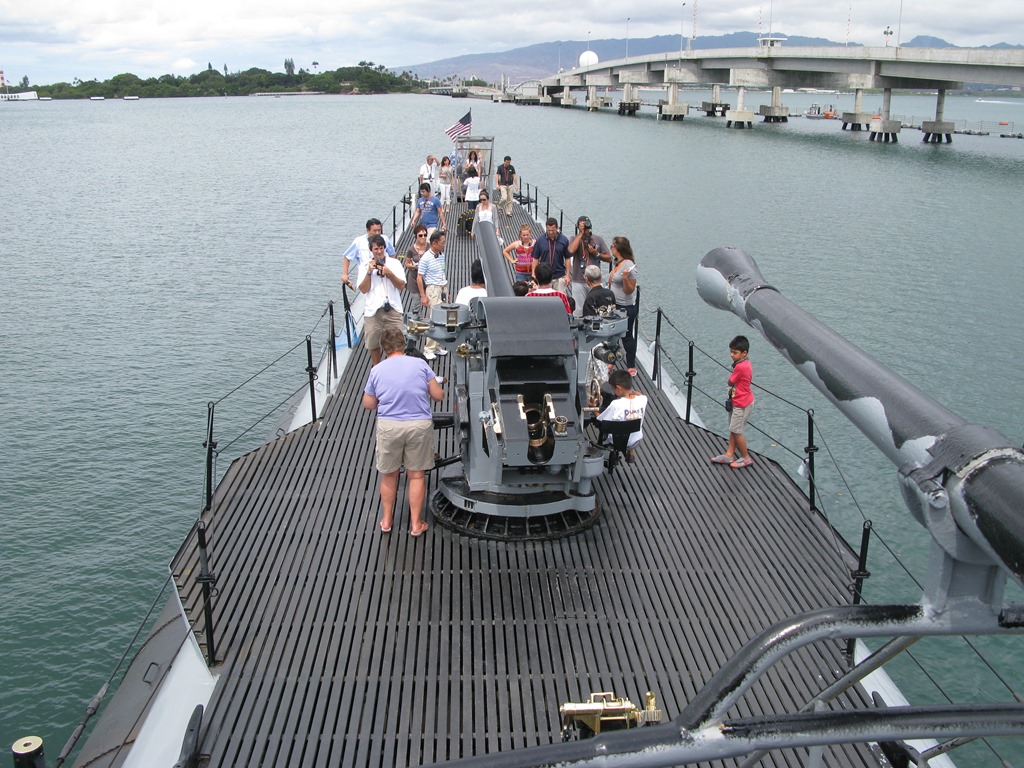
Once outside again, I walked up to the conning tower and looked back. I was surprised at how high up the conning tower was, and how big the guns were.

U.S.S. Bowfin - looking aft from the conning tower

The hidden cost

What I sometimes forget when looking at the machines of WWII is that they were designed to destroy the enemy. And while the Bowfin did her job with distinction, I read a sad story about a ship that she sunk that highlights the hidden cost of the war.

On August 22, 1944, the Bowfin sank the Tsushima Maru off the coast of Akusekijima. The Tsushima Maru was an unmarked, unlighted passenger-cargo vessel. What the Bowfin crew didn't know -- and didn't find out until 20 years later -- was that the Tshushima Maru was carrying 826 children. As the Bowfin website recounts:

"They, along with some of their school teachers and a few of their parents, were being transported from Okinawa to the mainland of Japan to escape the anticipated invasion of the Ryukyu Islands. Of those children, 767 were lost; only 59 were saved. Survivors of the sinking were not allowed to speak of the incident under threats of extreme punishment."

In total, 1,484 civilians were killed. To put this in perspective, when the Titanic went down, 1,502 people died. 1,771 men perished aboard the Arizona.

In World War II, it's estimated that between 62 and 78 million people died. Of this total, 40 to 52 million civilians died. Military deaths accounted for 22 to 25 million.

As horrifying as the Tshushima Maru sinking is, this is only one of the incidents that took innocent lives during this war.

Read Kiyoshi Uehara's account of surviving the Tshushima Maru sinking.

Labels: ,

posted by AndyO @ 7:44 PM   0 comments